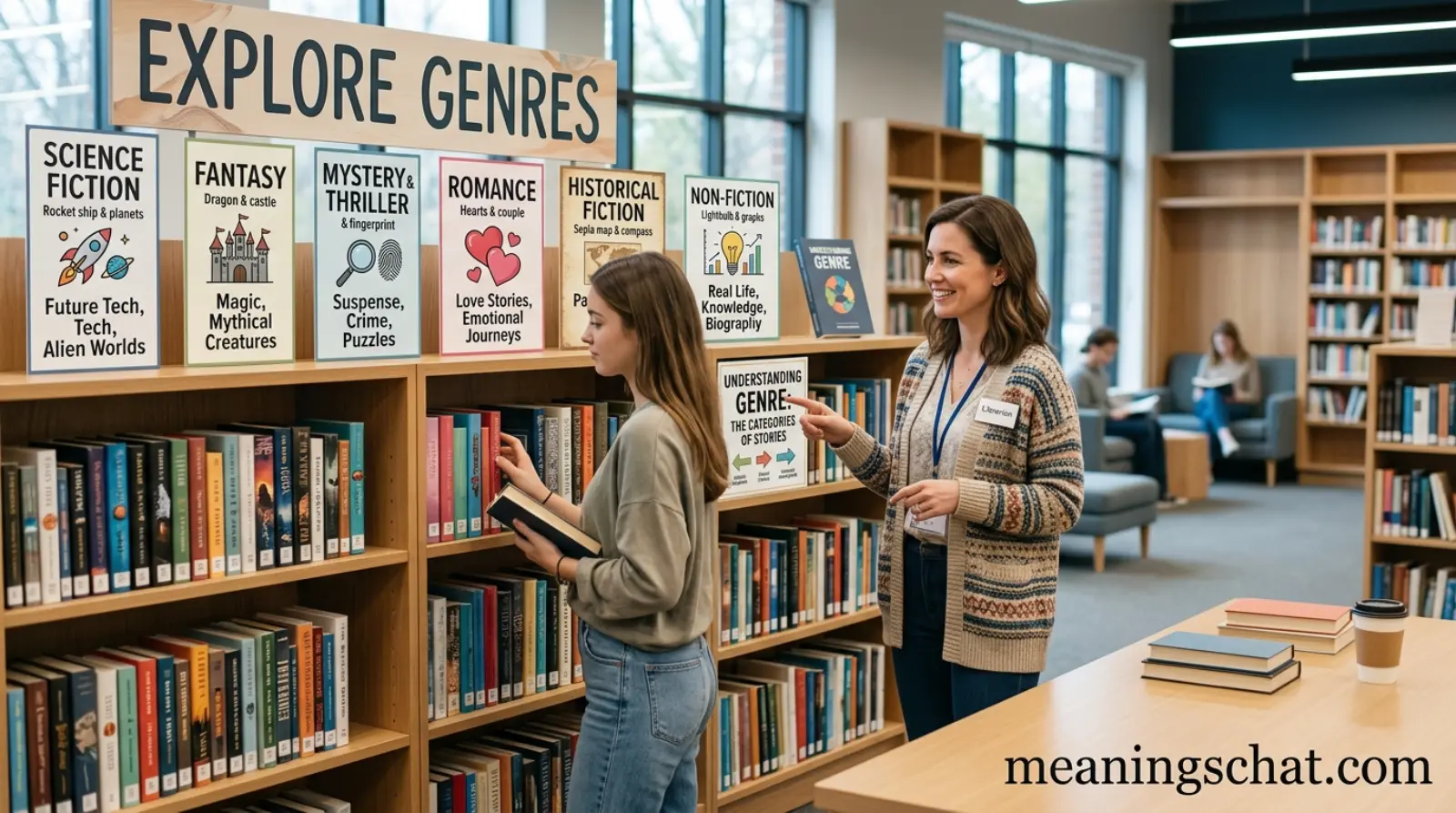
You’re scrolling through social media or chatting with a friend when someone says, “What’s your favorite genre?” At first, you might wonder if it’s internet slang or a new abbreviation everyone else already knows. The good news is that genre is not a text abbreviation at all. It is a common English word that appears in everyday conversations, online discussions, and social media posts.
People often use the word genre when talking about movies, books, music, games, TV shows, podcasts, and even YouTube videos. Understanding its meaning makes it easier to join conversations and express your interests with confidence.
What Does Genre Mean in Text?
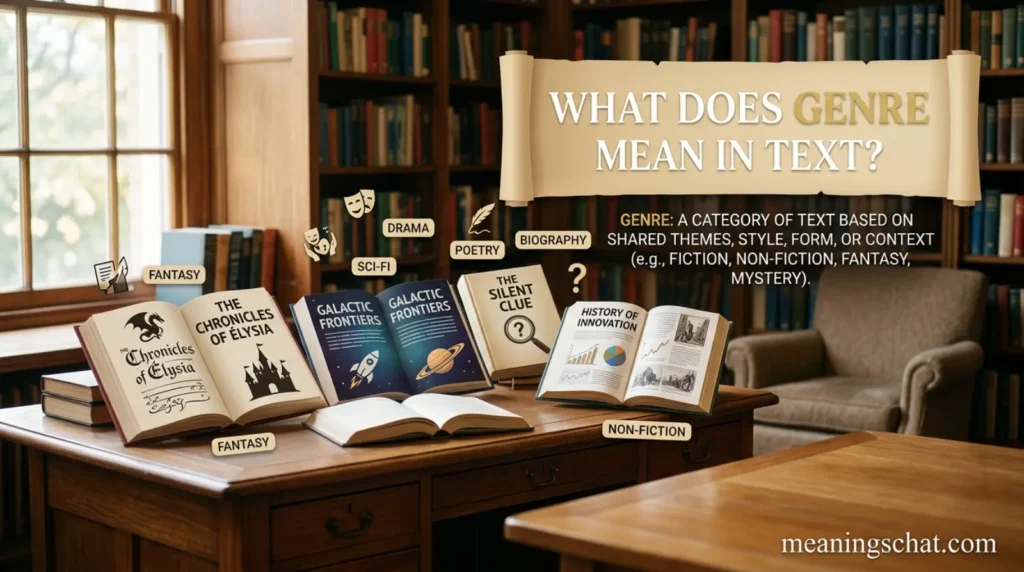
The word genre means a category or type of creative work that shares similar characteristics or themes.
Unlike abbreviations such as LOL or BRB, genre is a regular English vocabulary word, not internet slang. It helps people describe what kind of entertainment or content they are talking about.
For example:
- Horror is a genre of movies.
- Pop is a genre of music.
- Fantasy is a genre of books.
- Strategy is a genre of video games.
When someone asks, “What’s your favorite genre?” they simply want to know what type of content you enjoy the most.
Simple Definition
Genre means a category, style, or type of creative content.
Common Genres
Some popular genres include:
- Action
- Comedy
- Romance
- Horror
- Mystery
- Science Fiction
- Fantasy
- Adventure
- Drama
- Documentary
- Thriller
- Animation
People also use the word for:
- Music genres
- Book genres
- Movie genres
- TV genres
- Podcast genres
- Video game genres
Where Is Genre Used?
The word genre appears almost everywhere online because people constantly discuss entertainment.
Text Messages
Friends ask about favorite movie or music genres.
Example:
“What’s your favorite music genre?”
Users mention genres in captions when sharing songs, books, or films.
Example:
“This is my favorite fantasy genre series.”
TikTok
Creators recommend movies, books, or games by genre.
Example:
“If you love horror genre movies, watch this one.”
Snapchat
Friends discuss shows or songs they enjoy.
Example:
“I never thought I’d like this genre.”
YouTube
Reviewers organize videos around genres.
Examples include:
- Best horror movies
- Top fantasy books
- Best RPG game genres
Gaming Communities
Gamers often compare different genres like:
- RPG
- FPS
- Strategy
- Adventure
- Simulation
Music Streaming Apps
Apps like Spotify and Apple Music organize songs by genre.
Examples include:
- Pop
- Rock
- Jazz
- Hip Hop
- Country
- Classical
Is Genre Slang?
No.
Genre is not slang, an abbreviation, or internet shorthand.
Instead, it is a standard English word used in both casual and professional communication.
People of all ages use it, including:
- Students
- Teachers
- Authors
- Gamers
- Musicians
- Movie fans
- Content creators
- Journalists
Examples of Genre in Conversation
Here are some natural conversations using the word.
Example 1
Alex: What’s your favorite movie genre?
Sam: I love science fiction.
Example 2
Emma: Do you read romance books?
Olivia: It’s my favorite genre.
Example 3
Jake: I usually play action games.
Ryan: Strategy is my favorite genre.
Example 4
Lily: Any Netflix recommendations?
Sophia: What genre do you enjoy?
Example 5
Chris: I can’t watch scary movies.
Noah: Horror isn’t everyone’s favorite genre.
Example 6
Mia: I’m looking for a new podcast.
Ella: Which genre interests you?
Example 7
Ben: This artist makes different music now.
Lucas: Yeah, they changed genres recently.
When to Use Genre
The word fits naturally in many situations.
Use it when:
- Talking about movies
- Discussing books
- Recommending TV shows
- Sharing music
- Talking about games
- Reviewing podcasts
- Asking for recommendations
- Writing reviews
- Creating social media posts
Examples:
“My favorite genre is comedy.”
“I usually read mystery genre books.”
“This game belongs to the survival genre.”
When Not to Use Genre
Avoid using the word when it doesn’t relate to categories of creative content.
For example, instead of saying:
“My favorite food genre is pizza.”
Say:
“My favorite type of food is pizza.”
Similarly:
“My favorite clothing genre”
sounds unnatural.
Instead say:
“My favorite clothing style.”
Is Genre Formal or Casual?
Genre works well in both settings.
Casual
You can easily use it while chatting with friends.
Example:
“My favorite genre is horror.”
Academic
Teachers and students frequently use it.
Example:
“This novel belongs to the historical fiction genre.”
Professional
Writers, editors, publishers, filmmakers, and marketers use the word regularly.
Example:
“The film combines several genres.”
Does Genre Have Different Meanings?
The basic meaning stays the same.
Genre always refers to a category or style.
However, the content changes depending on the topic.
Music
Rock, jazz, pop, country.
Movies
Comedy, action, thriller.
Books
Fantasy, mystery, romance.
Games
Adventure, puzzle, simulation.
Television
Reality, drama, documentary.
Why Do People Use Genre?
People use the word because it quickly explains what kind of content they’re discussing.
Instead of saying:
“I enjoy books about magic, dragons, and imaginary worlds.”
They simply say:
“I like the fantasy genre.”
It saves time and makes conversations easier.
Is Genre Popular in 2025?
Yes.
Genre remains one of the most commonly used words when discussing entertainment.
Streaming services, gaming platforms, bookstores, and music apps continue organizing content by genre.
Because people consume more digital content than ever, the word appears daily across social media and messaging apps.
Similar Words and Alternatives
Here are a few words that have similar meanings.
Type
A general word for category.
Example:
“What type of movies do you watch?”
Category
A formal alternative.
Example:
“This book falls into the mystery category.”
Style
Used for creative expression.
Example:
“I like this writing style.”
Theme
Refers to the central idea of a work.
Example:
“The story explores themes of friendship.”
Format
Describes how content is presented.
Example:
“I prefer podcast format.”
Common Genres People Talk About
Movie Genres
- Action
- Comedy
- Romance
- Horror
- Thriller
- Drama
- Mystery
- Animation
Music Genres
- Pop
- Rock
- Hip Hop
- Jazz
- Country
- Electronic
- Classical
- Blues
Book Genres
- Fantasy
- Romance
- Mystery
- Science Fiction
- Historical Fiction
- Biography
- Self Help
- Adventure
Game Genres
- RPG
- FPS
- Strategy
- Adventure
- Racing
- Sports
- Puzzle
- Survival
Common Mistakes About Genre
Thinking It’s Slang
Many people assume it’s an internet abbreviation because they first see it in online chats.
It isn’t.
Confusing Genre With Theme
Genre describes the category.
Theme describes the message or idea.
Example:
Genre: Romance
Theme: True love overcomes challenges.
Using It Outside Entertainment
Genre usually refers to creative works.
For everyday objects, words like type, kind, or style are often better choices.
FAQs
What does genre mean from a girl?
It has the same meaning regardless of who says it. She is simply asking or talking about a category of music, movies, books, games, or other entertainment.
Is genre slang?
No. Genre is a standard English word, not slang or an internet abbreviation.
Can I use genre in professional chats?
Yes. It is appropriate in professional, academic, and casual conversations.
Does genre have a flirty meaning?
No. The word has no romantic or flirty meaning on its own.
Is genre still popular in 2025?
Yes. The word remains widely used across social media, streaming platforms, gaming communities, schools, and workplaces.
Conclusion
The genre meaning is simple. It refers to a category or style of creative content such as movies, books, music, TV shows, podcasts, or video games. Although many people first encounter the word online, it is not slang or a text abbreviation. It is a standard English word used in casual conversations, classrooms, reviews, and professional settings. Once you understand what genre means, you can confidently discuss your favorite entertainment and easily understand recommendations from friends or creators.

William Jones is a dedicated writer at Meaningschat who specializes in explaining text slang, abbreviations, and online language trends. He enjoys creating simple, engaging, and reader-friendly content that helps people understand modern digital communication with ease. His writing style is clear, conversational, and informative, making complex internet terms easy for everyone to follow. In his free time, William loves exploring social media trends, reading about digital culture, and discovering how online language continues to evolve.