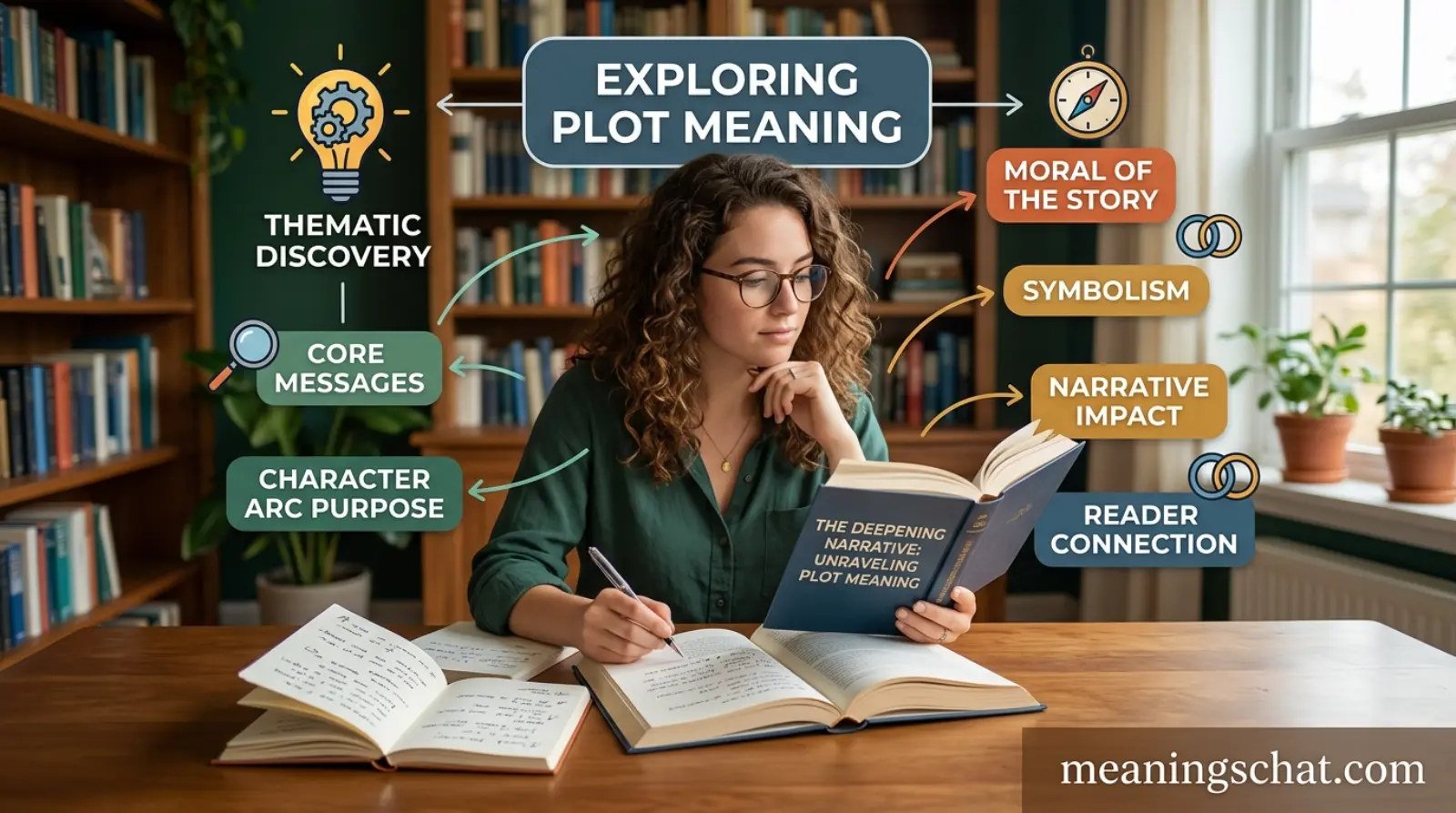
Plot meaning can be confusing the first time you see it in a text message or social media comment. Imagine a friend texting, “The plot is getting interesting 👀,” or someone replying with, “Plot twist!” If you are unfamiliar with internet slang, you might wonder if they are talking about a movie, a secret plan, or something else entirely.
The good news is that plot has several meanings depending on the conversation. It can describe a story, a surprising situation, or even a secret scheme. Once you understand the context, you’ll recognize it instantly in chats, memes, TikTok videos, and everyday conversations.
What Does Plot Mean in Text?
In texting and online conversations, plot usually refers to what is happening in a story or situation. It often describes events that become interesting, dramatic, or unexpected.
The word plot is not an abbreviation or acronym. Instead, it is a regular English word that has become popular in internet culture.
Here are its most common meanings in text.
1. The Story or Main Events
People often use plot when discussing movies, TV shows, books, anime, or games.
Example:
“The plot was amazing. I couldn’t stop watching.”
2. A Surprising Situation
Online, people sometimes use plot to describe unexpected real-life events.
Example:
“Wait… the plot just changed!”
This means something surprising happened.
3. A Secret Plan
Sometimes plot keeps its traditional meaning of planning something secretly.
Example:
“I think they’re plotting a surprise birthday party.”
4. “The Plot Thickens”
This popular expression means a situation has become more mysterious or complicated.
Example:
“She suddenly blocked him. The plot thickens.”
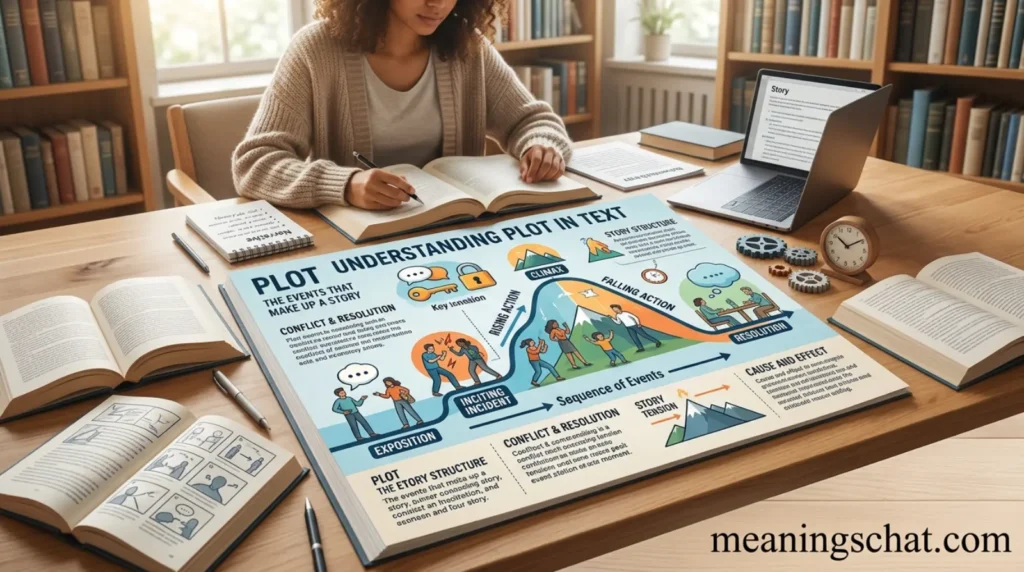
Where Is Plot Used?
The word plot appears across many online platforms because it works in both serious and funny conversations.
Text Messages
Friends use it while talking about life updates, gossip, or entertainment.
Example:
“The family group chat has better plot than Netflix.”
TikTok
TikTok creators often use plot, plot twist, or the plot thickens when making storytelling videos or sharing unexpected moments.
People write it in captions, comments, and memes to describe surprising events.
Example:
“Nobody expected that ending. Best plot ever.”
Snapchat
Friends may use it while reacting to drama or funny moments.
X
Users often joke about current events by saying the “plot” keeps changing.
Discord and Gaming
Gamers use plot when discussing game stories or unexpected gameplay events.
Who Uses It Most?
Although people of all ages understand the word, it is especially common among:
- Teenagers
- College students
- Social media users
- Gamers
- Movie and TV fans
- Meme creators
Examples of Plot in Conversation
Here are some natural examples of how plot appears in everyday chats.
Example 1
Alex: Did you finish the show?
Mia: Yes! The plot was incredible.
Example 2
Emma: Guess who texted me after two years?
Sarah: Hold on… the plot just got interesting.
Example 3
Jake: My parents already knew everything.
Chris: That’s a serious plot twist.
Example 4
Taylor: I found another clue.
Jordan: The plot thickens.
Example 5
Anna: Our teacher canceled the exam.
Lucy: Best plot of the week.
Example 6
Ryan: The game starts slowly.
Ben: Trust me. The plot gets much better.
Example 7
Lily: They’re acting suspicious.
Grace: I think they’re plotting something.
When to Use and When Not to Use Plot
Understanding the situation helps you use plot naturally.
Use Plot When
- Talking about movies or TV shows
- Discussing books or games
- Reacting to surprising news
- Making funny social media comments
- Describing unexpected life events
- Sharing memes
Avoid Using Plot When
- Writing formal business emails
- Sending professional work messages
- Completing academic assignments unless discussing literature
- Speaking in legal or official documents where a clearer word works better
In professional settings, words like story, plan, development, or situation are usually more appropriate.
Is Plot Friendly, Casual, Professional, or Flirty?
The meaning depends on the conversation.
Friendly
Yes. Friends use it all the time while chatting.
Example:
“Your vacation has the best plot.”
Casual
Very casual. It fits perfectly in texts and social media posts.
Professional
Only when discussing stories, books, films, or marketing. Otherwise, it sounds too informal if you’re joking about real-life events.
Flirty
Sometimes.
Someone might say:
“Our love story has the cutest plot.”
or
“I wasn’t expecting our plot twist.”
These playful comments can sound flirty depending on the relationship.
Popular Expressions with Plot
Many internet users combine plot with familiar phrases.
Plot Twist
A completely unexpected event.
Example:
“Plot twist: He already knew everything.”
The Plot Thickens
Things become more mysterious.
Example:
“She deleted all her photos. The plot thickens.”
Main Plot
The central story.
Example:
“Forget the side drama. Tell me the main plot.”
Good Plot
An interesting story.
Example:
“That movie has a great plot.”
Bad Plot
A story that feels confusing or boring.
Example:
“The acting was great, but the plot was weak.”
Similar Slang Words or Alternatives
Here are some words people use in similar situations.
Tea
Means gossip or exciting news.
Example:
“Tell me the tea.”
Drama
Refers to conflict or emotional situations.
Example:
“There’s so much drama today.”
Lore
Popular among gamers and internet users. It refers to the background story of a character, game, or event.
Example:
“I finally learned the character’s lore.”
Arc
Describes a stage or chapter in someone’s life.
Example:
“This is my fitness arc.”
Twist
A surprising change in events.
Example:
“I never saw that twist coming.”
Why Has Plot Become Popular Online?
Social media loves storytelling. Even everyday life gets treated like a TV series.
Instead of saying:
“Something surprising happened.”
People simply say:
“The plot just changed.”
This sounds shorter, funnier, and more dramatic. Memes, reaction videos, and TikTok trends have made this style of speaking extremely popular.
Many creators even compare real life to television by calling unexpected moments plot twists.
Common Mistakes People Make
Thinking Plot Is an Acronym
It isn’t. Plot is a normal English word.
Assuming It Always Means a Story
Sometimes it refers to real-life situations instead of books or movies.
Using It in Formal Emails
It sounds too casual unless you’re actually discussing literature or entertainment.
Ignoring Context
A sentence about a movie and a sentence about real-life gossip can use the same word with different meanings.
FAQs
What does plot mean from a girl?
Usually the meaning is the same as anyone else’s. She may be talking about a movie, describing unexpected events, or joking about a surprising situation.
Is plot slang rude?
No. It is completely harmless and appropriate for casual conversations.
Can I use plot in professional chats?
Only if you’re discussing stories, films, books, or creative projects. Avoid using internet-style phrases like “the plot thickens” in formal business communication.
Does plot have any flirty meaning?
Not by itself. It can become playful or romantic when someone compares a relationship to a love story or says there has been a “plot twist” in dating.
Is plot still popular in 2025?
Yes. People continue using plot, plot twist, and the plot thickens across TikTok, Instagram, Snapchat, X, and texting because they make conversations more entertaining.
Conclusion
Plot meaning in text usually refers to a story, an unexpected situation, or a surprising turn of events. While the word has existed for centuries, internet culture has given it fresh life through memes, TikTok videos, and everyday chats. When someone says “the plot just changed” or “plot twist,” they are simply pointing out that something unexpected happened. Once you understand the context, you can confidently use plot in casual conversations and enjoy the humor behind this popular online expression.

William Jones is a dedicated writer at Meaningschat who specializes in explaining text slang, abbreviations, and online language trends. He enjoys creating simple, engaging, and reader-friendly content that helps people understand modern digital communication with ease. His writing style is clear, conversational, and informative, making complex internet terms easy for everyone to follow. In his free time, William loves exploring social media trends, reading about digital culture, and discovering how online language continues to evolve.