Abnormal Meaning You are scrolling through social media when someone comments, “That is so abnormal!” or a friend sends you a text saying, “This is kind of abnormal 😂.” At first, you might wonder if they are using it as slang or simply describing something unusual. Many people see this word in chats, memes, and online conversations and want to know exactly what it means.
The good news is that abnormal is not actually internet slang or a texting abbreviation. It is a standard English word that people often use casually in text messages, social media posts, and everyday conversations. Understanding its meaning helps you avoid confusion and use it naturally in the right situations.
What Does Abnormal Mean in Text?
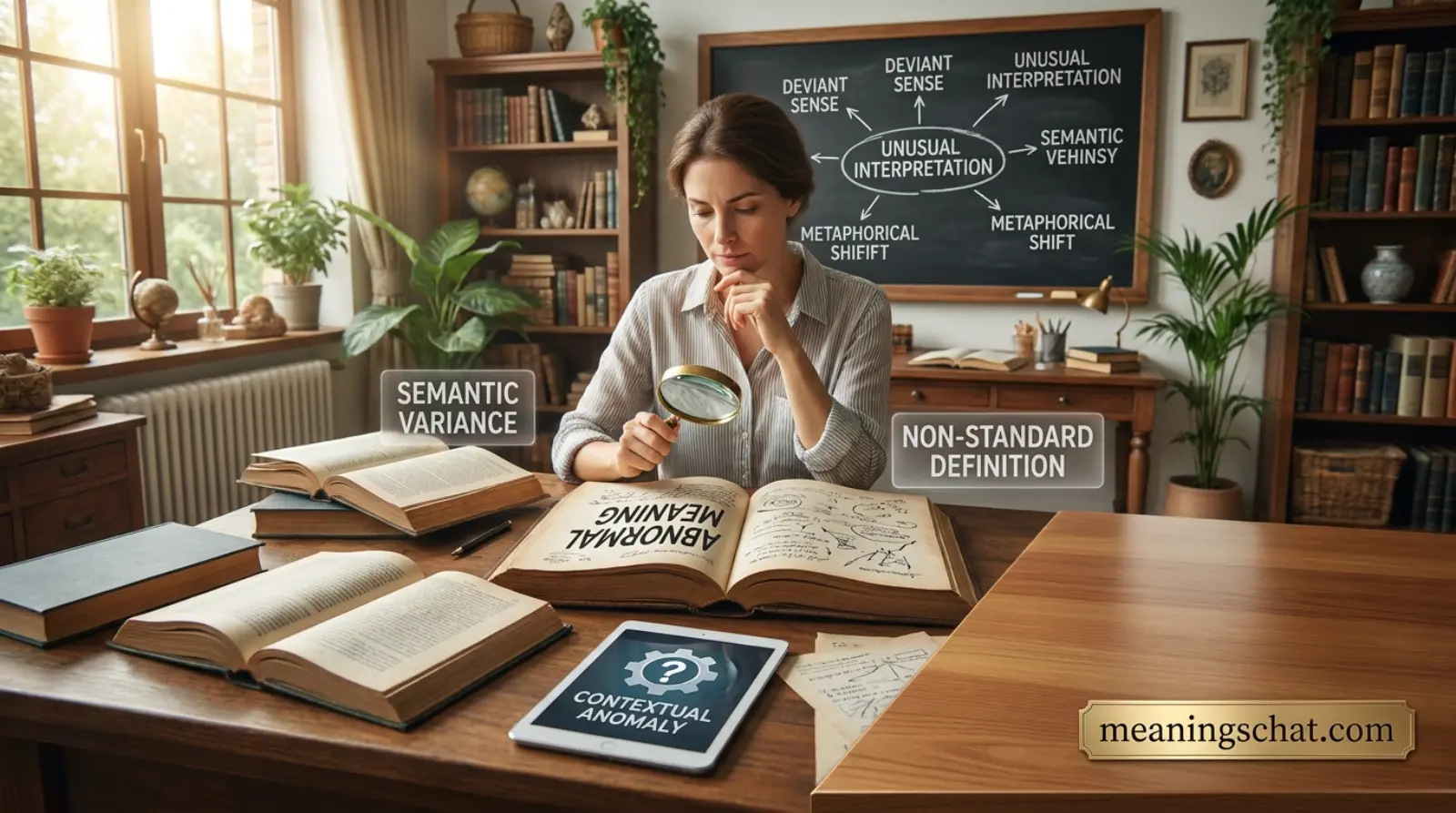
The word abnormal means not normal, unusual, unexpected, or different from what is typical.
In text messages, people usually use it to describe a person, situation, behavior, event, or object that seems different from what they normally expect.
Simple Definition
Abnormal = Not normal or outside the usual pattern.
Unlike abbreviations such as LOL or BRB, abnormal is a complete English adjective.
Common Meanings
Depending on the conversation, abnormal can mean:
- Unusual
- Strange
- Unexpected
- Different
- Irregular
- Not typical
The meaning depends on the context.
For example:
“Your sleep schedule is abnormal.”
This means your sleeping pattern is different from what most people consider normal.
Another example:
“The weather feels abnormal today.”
This simply means the weather is unusual.
Does Abnormal Have Multiple Meanings?
Yes. Although the core meaning stays the same, people use abnormal in different situations.
It may describe:
- Human behavior
- Medical conditions
- Weather
- Test results
- Emotions
- Funny situations
- Gaming moments
- Social media trends
In online chats, people often use the word humorously instead of seriously.
For example:
“Bro ate six burgers in one sitting. That’s abnormal. 😂”
Here, it is simply a joke about someone’s unusual behavior.
Where Is Abnormal Used?
The word abnormal appears almost everywhere online because it is part of everyday English.
Text Messages
Friends use it while chatting about unusual situations.
Example:
“Your replies are coming in five seconds today. That’s abnormal.”
Snapchat
Snapchat users often add abnormal in captions or private chats when something surprising happens.
Example:
“This filter makes me look abnormal 😂.”
People use it in comments, stories, and captions.
Example:
“This sunset color looks abnormal but beautiful.”
TikTok
TikTok creators frequently describe funny or unexpected videos as abnormal.
Example:
“This dance move is absolutely abnormal.”
X (Twitter)
Users often react to sports, news, or memes by saying something is abnormal.
Example:
“That comeback was abnormal.”
Discord
Gamers sometimes describe unusual gameplay.
Example:
“His aim today is abnormal.”
People use the word naturally in comments and discussions.
Example:
“The traffic today was abnormal.”
Who Uses It Most?
The word is popular among:
- Teenagers
- College students
- Adults
- Gamers
- Social media creators
- Everyday English speakers
Unlike many internet abbreviations, abnormal is understood by people of almost every age.
Examples of Abnormal in Conversation
Here are realistic examples showing how people use abnormal in chats.
Example 1
Alex: Why are you awake at 4 AM?
Sam: My sleep schedule is abnormal these days.
Example 2
Emma: You finished the movie in double speed?
Liam: Yeah 😂
Emma: That’s abnormal.
Example 3
Jake: Did you see today’s weather?
Noah: Yeah, it’s completely abnormal for July.
Example 4
Sophia: My phone battery lasted two days.
Ella: That’s honestly abnormal.
Example 5
Chris: He scored ten goals in one match.
Ryan: That’s abnormal!
Example 6
Olivia: You drink coffee before sleeping?
Mia: Every night.
Olivia: That’s definitely abnormal.
Example 7
Ben: My dog learned how to open the fridge.
Lucas: That’s both smart and abnormal. 😂
These conversations show that abnormal usually describes something unexpected or unusual.
Is Abnormal a Slang Word?
No.
Abnormal is not slang.
It is a regular English vocabulary word that has existed for a very long time.
People simply use it casually in online conversations because it quickly describes something unusual.
Unlike abbreviations such as:
- LOL
- BRB
- IMO
- TTYL
Abnormal is a standard dictionary word.
Is Abnormal Positive or Negative?
It depends on the situation.
Sometimes it has a negative meaning.
Example:
“The doctor found abnormal test results.”
Here, it suggests something may need medical attention.
Sometimes it is completely neutral.
Example:
“The weather is abnormal this year.”
Sometimes people use it positively.
Example:
“His basketball skills are abnormal!”
In this case, abnormal means incredibly impressive or extraordinary.
What Does Abnormal Mean on Social Media?
On social media, people often use abnormal to exaggerate something.
Examples include:
“Your editing skills are abnormal.”
“That pizza is abnormal.”
“This concert was abnormal.”
“Your luck is abnormal today.”
In these situations, abnormal simply means surprisingly different or beyond expectations.
Can Abnormal Be Funny?
Yes.
Many memes use abnormal to make ordinary situations sound dramatic.
For example:
“My cat stares at the wall for three hours. Totally abnormal.”
Or:
“He puts ketchup on ice cream. That’s abnormal.”
The humor comes from describing harmless behavior as unusually strange.
When to Use and When Not to Use Abnormal
Knowing when to use abnormal makes your conversations sound more natural.
Use It When
Use abnormal when talking about:
- Strange situations
- Unexpected events
- Funny behavior
- Unusual habits
- Rare experiences
- Surprising achievements
- Weird online trends
Examples:
“Your gaming skills are abnormal.”
“That weather is abnormal.”
“Today’s traffic is abnormal.”
Avoid Using It When
Do not use abnormal if:
- Someone is discussing a sensitive medical condition.
- You are writing formal business emails.
- You are talking to someone who could misunderstand your tone.
- You want to avoid sounding judgmental.
Instead, you could use words like:
- Different
- Unusual
- Unexpected
- Rare
These alternatives often sound softer.
Is Abnormal Appropriate for Work?
Usually, no.
In professional communication, words like:
- Unusual
- Unexpected
- Irregular
- Different
are often better choices.
Instead of writing:
“This report looks abnormal.”
Say:
“This report contains unusual results.”
That sounds more professional.
Is Abnormal Rude?
Not necessarily.
The word itself is not rude.
However, calling someone’s behavior abnormal can sound insulting if you are criticizing them.
For example:
“Your ideas are abnormal.”
This could hurt someone’s feelings.
Instead, try:
“That’s an unusual idea.”
The message becomes much kinder.
Does Abnormal Have a Flirty Meaning?
No.
Abnormal has no romantic or flirty meaning.
However, couples sometimes jokingly use it.
Example:
*”You’re abnormal for remembering every anniversary.” ❤️
Here, it is playful rather than offensive.
Can Abnormal Mean Something Positive?
Yes.
Many people use abnormal to describe someone with exceptional talent.
Examples:
“His football skills are abnormal.”
“Her singing voice is abnormal.”
“That artist’s creativity is abnormal.”
In these cases, abnormal means incredibly impressive rather than strange.
Similar Words and Alternatives
Here are several words that are similar to abnormal.
Unusual
Something different from normal.
Example:
“That’s unusual.”
Strange
Something that feels odd.
Example:
“That’s strange.”
Weird
A casual word for something odd or unexpected.
Example:
“That is weird.”
Odd
A simple word for something uncommon.
Example:
“That’s odd.”
Extraordinary
Something much better or more unusual than normal.
Example:
“Her performance was extraordinary.”
Common Mistakes People Make
Thinking It Is an Abbreviation
Some people assume abnormal is internet slang.
It is not.
It is simply an English adjective.
Using It Too Often
Calling everything abnormal can make conversations sound exaggerated.
Choose it only when something is genuinely unusual.
Using It in Sensitive Situations
Avoid describing people or medical issues as abnormal unless the context truly requires it.
More respectful wording is often better.
Tips for Using Abnormal Naturally
Here are some simple tips.
- Use it for unusual situations.
- Keep the tone friendly.
- Think about the context.
- Avoid using it to judge people.
- Use softer alternatives in formal conversations.
- Remember that it is not internet slang.
FAQs
What does abnormal mean from a girl?
It usually has the same meaning as anyone else’s message. She is describing something as unusual, unexpected, or different from normal.
Is abnormal slang rude?
No. The word itself is not rude, but it can sound offensive if you use it to criticize someone’s personality or behavior.
Can I use abnormal in professional chats?
It is better to use words like unusual, unexpected, or irregular in professional communication.
Does abnormal have a flirty meaning?
No. It is not considered a romantic or flirtatious word. Couples may use it jokingly, but it has no special dating meaning.
Is abnormal still popular in 2025?
Yes. Since it is a common English word, people continue using it frequently in texting, social media, gaming, and everyday conversations.
Conclusion
The abnormal meaning is simple. It describes something that is not normal, unusual, unexpected, or different from what people typically expect. Although many people encounter it in text messages, Snapchat, Instagram, TikTok, and online chats, it is not a slang term or abbreviation. Instead, it is a standard English word that fits naturally into casual conversations.
Before using it, think about the situation and your audience. It works well for describing funny, surprising, or unusual moments, but softer words like unusual or different are often better in formal or sensitive conversations. Once you understand the context, you can confidently recognize and use abnormal in everyday chats.