Sentient Meaning You’re scrolling through social media or reading a group chat when someone writes, “My phone has become sentient,” or “This AI sounds sentient.” If you’ve never seen the word before, it can be a little confusing. Is it slang? Does it describe a person, a robot, or something else?
The good news is that sentient is easy to understand once you know its meaning. It often appears in conversations about artificial intelligence, animals, movies, memes, and even jokes. In this guide, you’ll learn what sentient meaning is, where people use it, how it fits into online conversations, and how you can use it correctly.
What Does Sentient Mean in Text?
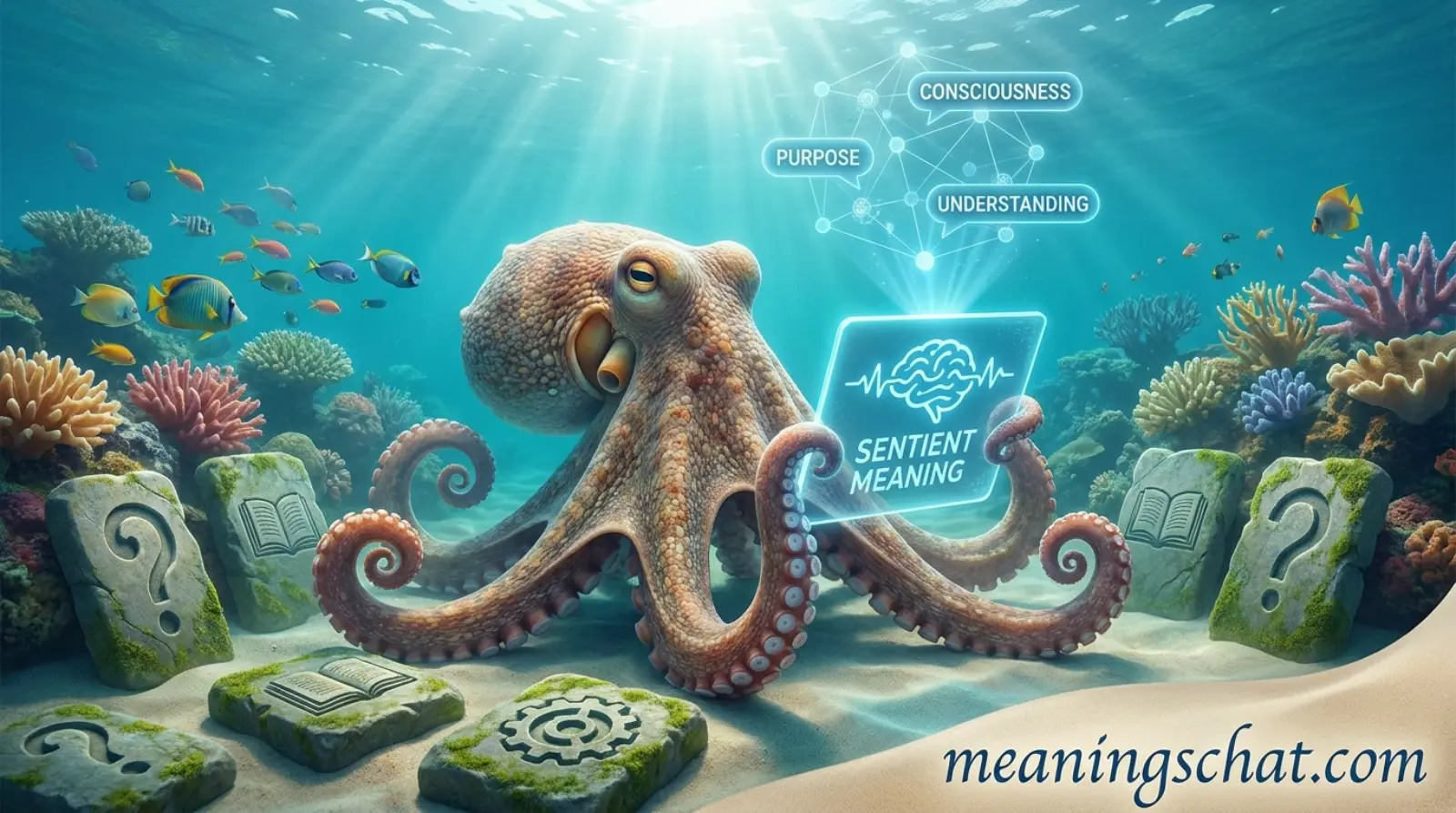
The word sentient means able to feel, experience, or perceive things. A sentient being has awareness and can sense what is happening around them.
Unlike many internet abbreviations, sentient is not an acronym or text abbreviation. It is a real English word that has become more common in online conversations because of discussions about AI, robots, and science fiction.
In casual texting, people often use sentient in two different ways.
Literal meaning
Someone is talking about a being that can think or feel.
Example:
“My dog seems almost sentient when he understands every word I say.”
Funny or exaggerated meaning
People jokingly describe an object as if it has become alive or developed its own mind.
Example:
“My laptop became sentient and decided not to work before my meeting.”
On social media, this humorous use is extremely common. It adds personality and exaggeration to everyday situations.

Where Is Sentient Used?
The word sentient appears across many online platforms and communities. While it isn’t a typical texting abbreviation like LOL or BRB, it’s becoming increasingly popular.
Text Messages
Friends may jokingly describe everyday objects as sentient.
Example:
“My alarm clock is sentient. It always rings when I’m having the best dream.”
TikTok
TikTok creators often use the word when talking about AI, pets, or funny videos.
Example:
“This cat looks completely sentient.”
Instagram captions sometimes describe funny animal behavior or unusual technology.
Example:
“My coffee machine has become sentient.”
X (Twitter)
People frequently use the word in memes, jokes, and discussions about technology.
Example:
“This chatbot sounds way too sentient.”
Reddit users often discuss AI, science fiction, gaming, and philosophy using the word sentient.
Gaming Communities
Gamers sometimes joke that game characters or enemies have become sentient because they behave unexpectedly.
Example:
“The NPC became sentient and started chasing everyone.”
AI Discussions
As artificial intelligence becomes more advanced, sentient appears regularly in conversations about whether AI can truly think or feel.
Examples of Sentient in Conversation
Here are some natural examples of how people use the word in chats.
Friend 1: My vacuum keeps following me.
Friend 2: I swear it’s becoming sentient.
Alex: This AI gave me surprisingly good advice.
Emma: People will think it’s sentient soon.
Jake: My cat opened the door again.
Mia: Your cat is definitely sentient.
Chris: My computer updated itself overnight.
Sam: It’s officially sentient now.
Olivia: My phone somehow knew what I wanted to search.
Lily: That’s honestly getting a little sentient.
Ryan: My smart speaker answered before I finished talking.
Ben: It sounds sentient already.
Ella: My robot vacuum keeps avoiding my room.
Sarah: Maybe it has become sentient.
These examples show that the word is often used playfully rather than literally.
When to Use and When Not To Use Sentient
Understanding the right situation helps you sound natural when using the word.
When to Use Sentient
Use it when discussing artificial intelligence.
Example:
“People debate whether advanced AI could become sentient.”
Use it when talking about animals.
Example:
“Many scientists believe animals are sentient.”
Use it in jokes and memes.
Example:
“My printer became sentient and refused to print.”
Use it during conversations about science fiction.
Example:
“The robot became sentient halfway through the movie.”
Use it when discussing technology.
Example:
“This chatbot sounds almost sentient.”
When Not To Use Sentient
Avoid using it if you simply mean “smart.”
Smart and sentient are not exactly the same thing.
Avoid using it in formal business emails unless you’re discussing science, AI, philosophy, or technology.
Don’t use it as a replacement for words like intelligent, clever, or conscious unless the context fits.
Some people may misunderstand the word if they are unfamiliar with it, so keep your audience in mind.
Is Sentient Friendly, Casual, Professional, or Flirty?
Friendly
Yes. Friends often use it while joking.
Example:
“My coffee maker has become sentient.”
Casual
Absolutely. Social media users frequently use the word casually.
Professional
Yes, when discussing AI, biology, psychology, philosophy, or science.
Example:
“The research explores whether future AI systems could become sentient.”
Flirty
Usually not.
However, someone could jokingly use it while flirting.
Example:
“You looked at me once and now my heart has become sentient.”
This is humorous rather than a standard romantic expression.
Why Has Sentient Become Popular?
Several trends have made the word much more common online.
Artificial intelligence is advancing rapidly.
Movies and TV shows often feature intelligent robots.
People enjoy making jokes about smart devices.
Social media spreads funny memes quickly.
Discussions about AI ethics have introduced more people to the word.
Because of these trends, many people who never used the word before now encounter it regularly online.
Sentient vs Conscious
Many people confuse these words.
Sentient means capable of feeling or experiencing sensations.
Conscious usually means awake and aware.
Something can be conscious without experiencing emotions the same way humans do.
Likewise, discussions about AI often ask whether a machine is simply intelligent or truly sentient.
Although people sometimes use these words interchangeably in casual conversations, they have different meanings.
Sentient vs Intelligent
These words also differ.
Intelligent means able to learn, solve problems, or think logically.
Sentient means able to feel experiences or emotions.
For example:
A calculator performs intelligent calculations.
A human is both intelligent and sentient.
Many debates about AI ask whether future systems will only be intelligent or whether they might eventually become sentient.
Similar Slang Words or Alternatives
Although sentient is not slang itself, these related words often appear in similar conversations.
Conscious
Aware of yourself and your surroundings.
Self Aware
Able to recognize your own existence or behavior.
Intelligent
Able to learn and solve problems.
Aware
Knowing what is happening around you.
Alive
Having life or appearing to have life.
These words may overlap depending on the conversation, but they do not always mean exactly the same thing.
Common Mistakes People Make
Many people think sentient simply means smart.
In reality, the word focuses on the ability to feel and experience, not just think.
Another common mistake is assuming every AI system is sentient.
Today’s AI tools can perform impressive tasks, but that does not necessarily mean they are sentient.
Some people also overuse the word in situations where “intelligent” or “clever” would be more accurate.
Understanding the difference helps you use the word correctly.
FAQs
What does sentient mean from a girl?
It means the same thing regardless of who says it. She may be describing someone or something that seems aware, capable of feeling, or joking that an object has become alive.
Is sentient slang rude?
No. The word is not rude or offensive. It is a normal English word that people often use casually online.
Can I use sentient in professional chats?
Yes, if the conversation involves science, technology, AI, psychology, philosophy, or education. It may sound too advanced for unrelated business conversations.
Does sentient have any flirty meaning?
No. It does not have a specific romantic or flirty meaning. People may use it humorously while flirting, but the word itself is neutral.
Is sentient still popular in 2025?
Yes. The rise of AI, chatbots, and technology discussions has made the word even more popular across social media, forums, and online conversations.
Conclusion
The sentient meaning is simple once you understand it. It refers to someone or something that can feel, perceive, or experience the world. Although it isn’t a text abbreviation, the word has become increasingly common in online chats, memes, AI discussions, gaming communities, and social media posts. People often use it seriously when discussing animals or artificial intelligence and humorously when joking that everyday objects have developed minds of their own. If you see sentient in a conversation, you’ll now know exactly what it means and when it’s appropriate to use it with confidence.