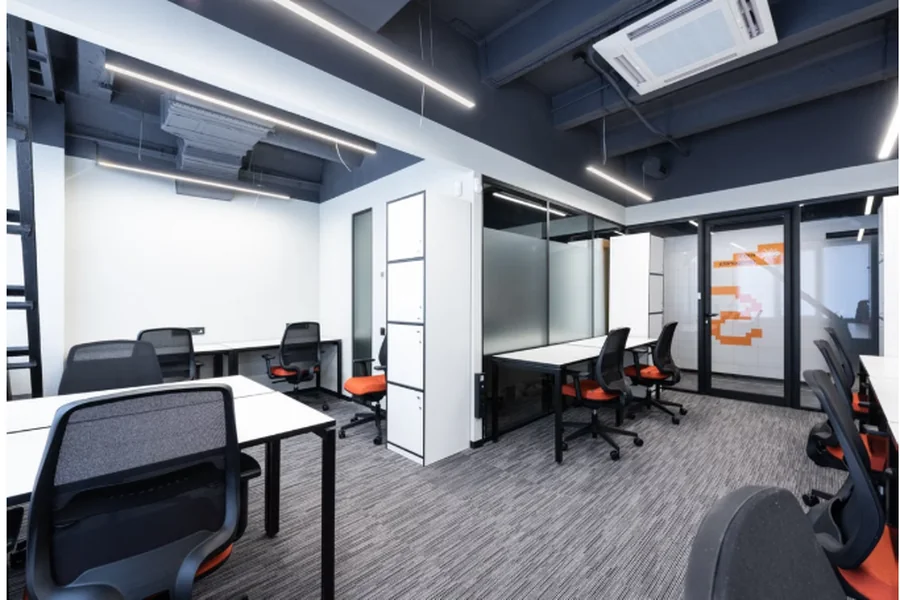
Finding a suitable workplace involves more than choosing a convenient address. Businesses need an environment where employees can work comfortably, meet clients, communicate with colleagues and manage their daily responsibilities. For companies that do not require a dedicated office throughout the week, shared office space offers another way to organise their operations.
Shared offices provide access to facilities used by different businesses, freelancers and independent professionals. Depending on the provider, arrangements might include hot desks, dedicated desks, private rooms and shared meeting areas. Some locations also offer reception services, printing facilities and access to communal spaces.
Although this arrangement offers flexibility, the quality and suitability of the workspace depend on its facilities, management and contract terms. Before moving your team into a shared office, take time to assess how well it supports your actual working requirements.
Understand What Shared Office Space Includes
The term shared office space covers several types of workplace arrangements. Some providers operate coworking environments where members choose an available desk, while others offer dedicated workstations or enclosed offices within a larger shared facility.
A hot desk arrangement usually allows members to use any available workstation within a designated area. This suits people who do not need a permanent desk and spend part of their working week elsewhere.
Dedicated desks provide a more consistent workspace, although the surrounding facilities remain shared. Private offices offer greater separation for teams that need their own enclosed area while still using common facilities such as meeting rooms, reception areas and kitchens.
Before making a decision, establish exactly what the membership includes. A low advertised rate might cover desk access only, with meeting room bookings, printing and additional services charged separately.
Consider the Location and Daily Commute
Location has a direct effect on how practical a shared office will be for your team. A workspace near public transport, food outlets and everyday services is generally easier for employees to use regularly.
Consider the commute from the areas where most team members live. A central business district address might be convenient for client meetings but less practical for employees travelling from other parts of the city.
Accessibility also matters when clients or suppliers visit. Check the building entrance, visitor registration process, parking arrangements and availability of lifts. If your team occasionally works outside standard office hours, ask about building access and security procedures.
It is worth visiting the location during normal working hours. This gives you a better idea of traffic around the building, noise levels and how busy the shared facilities become.
Check Whether the Facilities Suit Your Work
A shared office should provide the facilities your team uses regularly. Reliable internet access is essential for businesses that depend on online platforms, video calls, cloud applications and digital communication.
Meeting rooms are another important consideration. Find out how many are available, whether they require booking and whether the provider charges for each session. A workspace with attractive communal areas might still be unsuitable if meeting rooms are frequently occupied.
Other facilities worth checking include printing and scanning equipment, private call areas, kitchen access, lockers and comfortable workstations. Businesses that handle confidential discussions should pay particular attention to whether suitable private spaces are available.
Do not assume every facility shown in promotional photographs is included in the membership. Request a clear breakdown of what is available to members and what incurs an additional fee.
Assess Privacy and Workplace Security
Sharing a workplace means operating alongside people from other businesses. This arrangement makes privacy an important consideration, particularly for teams that handle client information, financial records or confidential documents.
Look at the desk layout and spacing between workstations. Open-plan areas might be suitable for general administrative tasks, but sensitive conversations could require private rooms or sound-insulated meeting spaces.
Ask how the provider manages building access, visitor registration and security. Check whether members receive individual access credentials and whether lockers or secure storage are available.
Your own business should also maintain appropriate safeguards. Employees should avoid leaving documents unattended, use secure connections and follow internal data protection procedures when working in communal areas.
Compare Membership Fees and Additional Charges
Shared office space is often marketed as a flexible alternative to a conventional commercial lease. Nevertheless, the total cost depends on the membership arrangement and the services your team needs.
Compare the monthly fee with the number of employees who will use the workspace. A hot desk plan might appear affordable, but a growing team could need dedicated desks or a private office as attendance increases.
Check for charges relating to meeting rooms, printing, additional access cards, storage, guest visits and after-hours use. Also ask whether utilities, cleaning and internet access are included.
A clear cost breakdown makes it easier to compare providers. Consider the actual monthly expense of running your team from the space rather than relying solely on the advertised starting price.

Review the Contract Before Committing
Contract terms determine how easily your business can adjust its workspace arrangement. Some providers offer monthly memberships, while others require longer commitments or advance notice before cancellation.
Read the agreement carefully and check the minimum membership period, payment schedule, renewal arrangements and termination notice. If your team expands or reduces its headcount, find out whether you can change the number of desks or move to another office within the same facility.
It is also worth checking the provider’s policies on guests, business registration, mail handling and use of the premises for client meetings. These details affect how the workspace fits into your daily operations.
Avoid making a decision based on a verbal assurance alone. Important services, access arrangements and pricing conditions should be clearly documented.
Choose a Workspace That Supports Your Team
A shared office should make everyday work easier rather than introduce new restrictions. Think about how often employees will attend, whether they need dedicated workstations and how much interaction with clients takes place at the office.
A small team that works remotely for much of the week might benefit from flexible desk access. A business with regular meetings, confidential discussions or a larger on-site workforce might be better suited to a private office within a shared facility.
Arrange a tour and, where available, request a trial day before signing up. Let employees experience the environment and assess practical details such as seating comfort, noise, internet performance and access to facilities.
Final Thoughts
Shared office space offers businesses another way to manage workplace costs and accommodate changing team sizes. Its suitability depends on more than the appearance of the premises or the advertised membership rate.
Take time to compare locations, inspect the facilities and review the contract. A workspace that provides reliable services, appropriate privacy and convenient access will give your team a more practical environment for everyday business activities.