Considering LASIK surgery often comes with a mixture of interest and uncertainty. The procedure is widely known as a way to reduce dependence on glasses or contact lenses, but deciding whether it is suitable requires more than checking your prescription. Your eye health, corneal condition, vision stability and general medical history all influence whether laser vision correction is an appropriate option.
A first consultation at a LASIK eye clinic allows you to understand the procedure and find out whether you meet the requirements. It also gives the eye specialist an opportunity to identify potential risks, explain alternative treatments and discuss what results are realistic. For those considering LSC Eye Clinic – LASIK & Eye Care Specialist Clinic with over 21 Years of Experience, a consultation is a useful starting point for understanding the available treatment options and deciding on the next steps.
Knowing what happens during this appointment helps you prepare useful questions and make a more informed decision.
Reviewing Your Vision and Medical History
The consultation usually begins with a review of your medical and eye health history. The specialist will ask about your current prescription, how long you have worn glasses or contact lenses and whether your vision has changed recently.
You may also be asked about previous eye conditions, eye injuries, surgeries and family history of certain eye diseases. General health information is relevant because some medical conditions and medications can affect healing or the suitability of elective eye surgery.
Contact lens use is worth mentioning because it can temporarily affect corneal shape. Depending on the type of lenses you wear, the clinic may ask you to stop using them for a specified period before certain measurements are taken. Follow the clinic’s instructions rather than deciding on your own how long to leave them out.
This initial discussion helps the specialist understand your circumstances before proceeding with detailed examinations.
Undergoing Detailed Eye Measurements
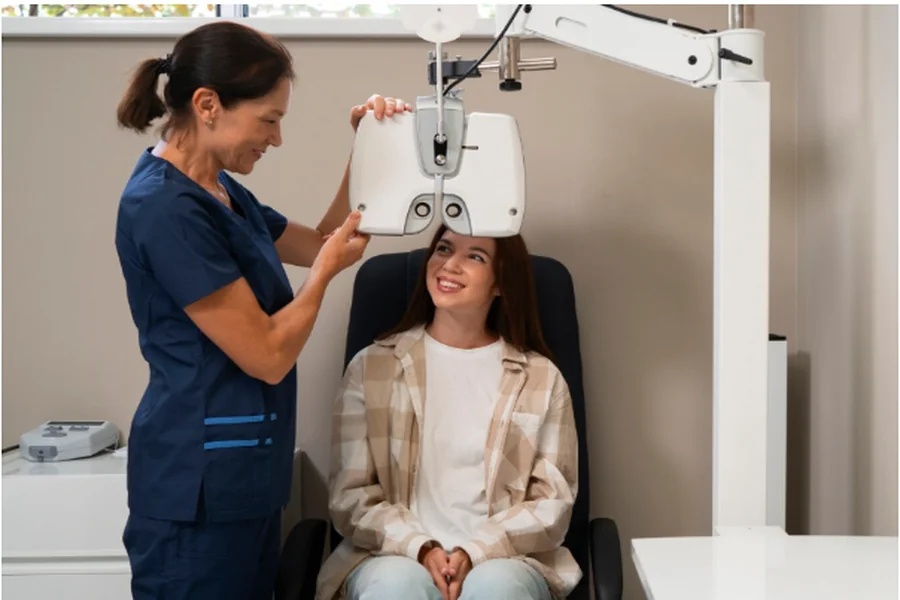
A LASIK assessment involves several tests to examine the structure and condition of your eyes. These measurements help determine whether laser treatment is suitable and whether the cornea can safely undergo the planned reshaping.
Prescription and Visual Acuity Testing
The clinic will measure your refractive error to identify the degree of short-sightedness, long-sightedness or astigmatism. Visual acuity testing also assesses how clearly you see at different distances, with and without corrective lenses.
A stable prescription is important when considering LASIK. If your vision is still changing, the specialist might recommend waiting before proceeding.
Corneal Thickness and Shape
LASIK involves creating a thin flap in the cornea and using a laser to reshape the underlying tissue. The cornea must have suitable thickness and shape to support the procedure.
Tests such as corneal topography or tomography produce detailed maps of the corneal surface and structure. These assessments help identify irregularities and signs of conditions such as keratoconus, which can make conventional LASIK unsuitable.
Eye Pressure and General Eye Health
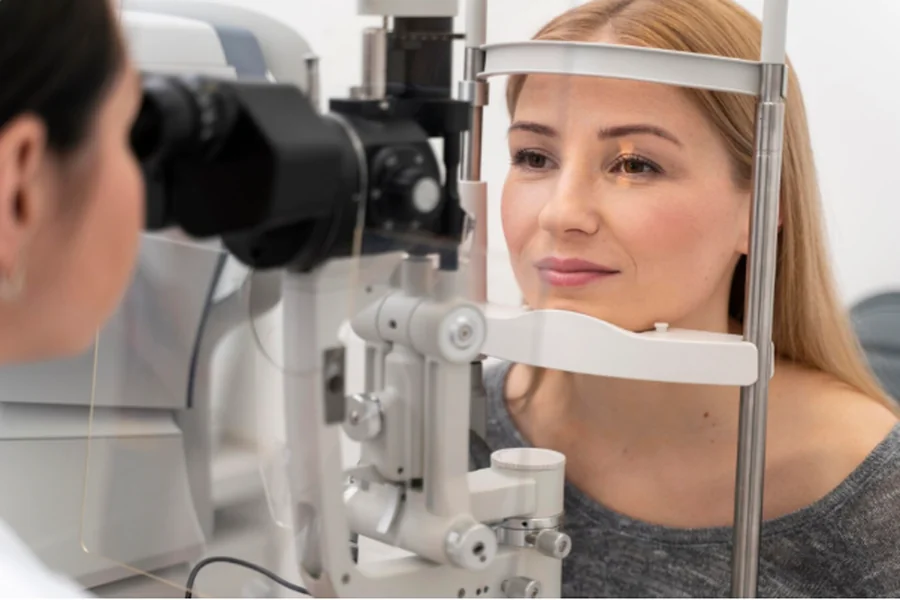
The specialist may measure intraocular pressure and examine different parts of the eye. This helps identify conditions that could affect surgical suitability or require attention before any procedure is considered.
The exact tests vary according to the clinic’s assessment protocol and your individual circumstances.
Checking Whether You Are Suitable for LASIK
Not everyone who wears glasses or contact lenses is a suitable candidate for LASIK. The assessment considers several factors, including prescription stability, corneal thickness, eye health and age.
People with certain corneal conditions, severe dry eye, or some other eye disorders may face increased risks. Pregnancy and breastfeeding can also cause temporary prescription changes, so elective laser surgery is generally postponed until vision has stabilised.
The specialist will consider whether the expected benefits justify the risks in your case. If LASIK is unsuitable, this does not necessarily mean that every form of vision correction is ruled out. Other procedures, including surface laser treatments or implantable lenses, might be considered depending on your eye measurements and medical history.
A responsible assessment should provide a clear explanation of why a particular procedure is recommended or unsuitable. You should not feel pressured to proceed if you need more time to consider the information.
Understanding How LASIK Surgery Works
LASIK stands for laser-assisted in situ keratomileusis. It is a refractive surgery that changes the shape of the cornea so light focuses more accurately on the retina.
During the procedure, a surgeon creates a thin flap in the cornea. An excimer laser then removes a controlled amount of corneal tissue to correct the refractive error. The flap is repositioned after the reshaping is complete.
The procedure is usually performed using local anaesthetic eye drops, so patients remain awake. You may experience pressure or temporary visual changes during the treatment, although discomfort is generally limited.
Your specialist should explain the expected procedure time, preparation requirements and recovery process. It is also important to understand that LASIK reduces dependence on glasses or contact lenses but does not guarantee perfect vision or prevent age-related changes such as presbyopia.
Discussing Risks, Recovery and Aftercare
Every surgical procedure carries risks, and LASIK is no exception. Possible side effects include dry eyes, glare, halos around lights, light sensitivity and temporary fluctuations in vision. Some patients may experience undercorrection or overcorrection, while more serious complications are less common.
The specialist should explain which risks are relevant to your eye condition and what steps are taken to manage them. Ask how complications are handled and whether additional treatment might be necessary.
Recovery instructions usually include using prescribed eye drops, avoiding eye rubbing and attending follow-up appointments. You may also need to avoid swimming, strenuous activities or eye makeup for a period specified by your surgeon.
Vision often improves relatively quickly after LASIK, but complete visual recovery varies. Some people experience dryness or fluctuating clarity for weeks or longer. Following aftercare instructions helps support healing and allows the clinic to monitor your progress.
Asking the Right Questions Before Making a Decision
Your first consultation is also a chance to understand the clinic’s approach and the experience of the surgeon who would perform the procedure.
Ask about the surgeon’s qualifications, experience with LASIK and the technology used. Find out whether the clinic performs a comprehensive suitability assessment and who will be responsible for your follow-up care.
Cost is another practical consideration. Request a breakdown of the quoted fee and clarify whether it includes pre-operative examinations, medication, follow-up visits and any additional treatment that might be required.
You should also ask about alternative procedures if LASIK is not recommended. Understanding the available options helps you compare their benefits, limitations, recovery requirements and risks without focusing solely on convenience.
Final Thoughts
A first consultation at a LASIK eye clinic is an important step towards understanding whether laser vision correction is appropriate for you. The appointment should involve a review of your medical history, detailed eye measurements and a discussion of the procedure’s potential benefits and risks.
Take time to understand the specialist’s recommendations and ask questions about recovery, aftercare and costs. The decision to undergo LASIK should be based on a thorough assessment of your eyes and realistic expectations, not simply the desire to stop wearing glasses.