Arranging care for an elderly family member often involves balancing their daily needs with the responsibilities of other household members. As an older person becomes less mobile or needs more assistance with everyday activities, family members might find it difficult to provide all the necessary support while managing work and other commitments.
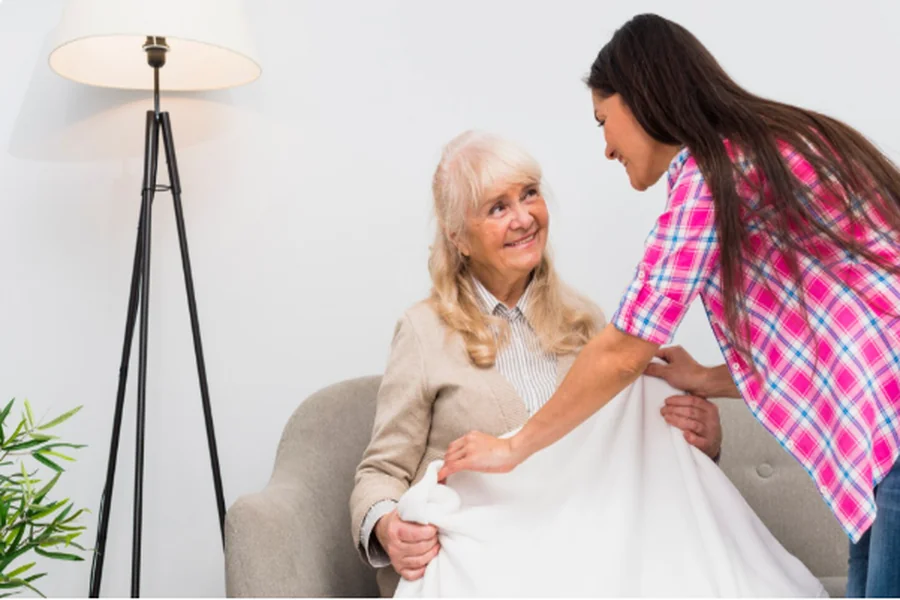
Hiring a maid for elderly care in Singapore can help families manage household tasks and provide practical assistance at home. A suitable domestic helper might assist with meal preparation, mobility, personal routines and companionship, depending on their experience and agreed responsibilities. Families looking to hire maid for elderly with SWIFT Maids can explore the agency’s services when searching for a suitable helper.
However, hiring a helper requires careful planning. Families need to understand the older person’s needs, assess the helper’s suitability and establish clear expectations before employment begins. It is also important to recognise the limits of domestic assistance, particularly when an elderly person has complex medical or nursing needs.
Assessing the Elderly Person’s Daily Needs
Before looking for a domestic helper, consider which activities the elderly person needs help with. Some older adults remain independent but require assistance with cooking, cleaning and shopping. Others might need support with bathing, dressing, moving around the home or maintaining a regular daily routine.
Mobility is an important consideration. An elderly person who uses a walking frame, wheelchair or other mobility aid might need help moving safely between rooms. Families should also consider whether the person has difficulty standing, transferring from a bed to a chair or using the bathroom.
Cognitive needs require separate attention. Someone experiencing memory difficulties or dementia might need reminders, supervision and a predictable routine. Their care arrangements should account for possible confusion, wandering or difficulty communicating discomfort.
Writing down these requirements helps families identify the type of experience and assistance needed. It also makes discussions with prospective helpers or maid agencies more specific.
Choosing a Helper with Suitable Experience
Not every domestic helper has the same background. Some have previous experience supporting older adults, while others have mainly worked in households involving general cleaning, cooking and childcare.
Families should ask about relevant caregiving experience and the duties the candidate has performed. If the elderly person has limited mobility, experience assisting with daily movement and personal care might be particularly useful.
Communication skills matter as well. The helper needs to understand instructions, recognise when the elderly person requires assistance and communicate concerns to family members. Language compatibility can make daily interactions easier, especially when the older person has difficulty expressing themselves in a language unfamiliar to the helper.
Previous experience should still be assessed carefully. Ask for specific examples of the candidate’s responsibilities rather than relying on a general statement that they have worked with elderly people. References, where available, can provide additional information about their working style and reliability.
Understanding the Difference Between Domestic Help and Medical Care
One of the most important considerations is the distinction between household assistance and professional healthcare. A domestic helper is not automatically a trained nurse or qualified healthcare professional simply because they are employed to support an elderly person.
A helper might assist with meals, remind the elderly person about an established medication schedule or accompany them to appointments, depending on their training and agreed responsibilities. However, administering medication, handling medical equipment, wound care and other clinical tasks require appropriate professional guidance and qualifications.
Families caring for someone with significant medical needs should discuss the arrangement with the relevant healthcare providers. Professional nursing or home healthcare services might be necessary alongside domestic assistance.
Clear boundaries protect both the elderly person and the helper. They also prevent families from assigning tasks that the helper is not qualified or prepared to perform.
Making the Home Safer for Elderly Care
The home environment affects how easily a helper can support an elderly person. Before the helper starts work, review the living space for potential hazards.
Loose rugs, cluttered walkways and poorly lit corridors can increase the risk of falls. Bathroom safety also deserves attention, particularly if the elderly person has difficulty stepping into a shower or maintaining balance while bathing.
Families might consider installing grab bars, using non-slip mats and keeping frequently used items within easy reach. Furniture should be arranged to provide enough space for walking aids and other mobility equipment.
It is also useful to establish where medication, emergency contact details and essential care supplies are kept. The helper should know whom to contact if the elderly person falls, becomes unwell or behaves unusually.
These preparations make daily routines more manageable and give the helper a clearer understanding of the household’s expectations.
Discussing Responsibilities and Daily Routines
A clear list of responsibilities helps prevent misunderstandings after the helper arrives. Families should explain which tasks relate directly to elderly care and which involve general household duties.
Daily responsibilities might include preparing meals, helping with light household tasks, accompanying the elderly person on short walks and providing companionship. The arrangement should reflect the helper’s capabilities and the older person’s actual needs.
Establishing a routine can also make daily life more predictable. Agree on meal times, rest periods, appointments and household activities. If the elderly person has particular preferences or habits, communicate these respectfully rather than expecting the helper to discover everything independently.
The helper should also have a clear way to report changes in the elderly person’s condition. Families need to remain involved in care decisions and should not expect the helper to take sole responsibility for matters requiring medical judgement.

Considering the Elderly Person’s Comfort and Dignity
Hiring a helper changes the household environment, especially when an elderly person is accustomed to living independently. Their feelings and preferences should be considered throughout the process.
Where possible, involve the older person in discussions about the arrangement. Explain why assistance is being introduced and allow them to express concerns about privacy, personal routines and having someone new in their home.
Compatibility matters because the helper and elderly person might spend considerable time together. A respectful communication style, patience and an understanding of personal boundaries can make the arrangement more comfortable.
Families should also recognise that companionship does not replace meaningful relationships with relatives and friends. Regular family visits, conversations and shared activities remain important to an older person’s emotional wellbeing.
Singapore’s Domestic Helper Requirements
Families hiring a foreign domestic worker in Singapore need to understand the relevant Ministry of Manpower requirements. These include employment responsibilities, work arrangements and applicable rules concerning the helper’s welfare.
Requirements can change, so employers should refer to current official guidance rather than relying on outdated information from informal sources. If using a maid agency, clarify the agency’s role, placement charges, employment terms and available support after the helper starts work.
It is also important to provide suitable living arrangements, reasonable rest and clear communication about household expectations. A sustainable working relationship benefits both the helper and the elderly person receiving assistance.
Final Thoughts
Hiring a maid for an elderly loved one requires more than finding someone available to assist with household duties. Families need to understand the older person’s daily needs, assess the helper’s experience and establish realistic responsibilities.
A suitable arrangement combines practical assistance with respect for the elderly person’s comfort and independence. With clear communication, a safer home environment and continued family involvement, domestic help can become a useful part of a broader elderly care plan.