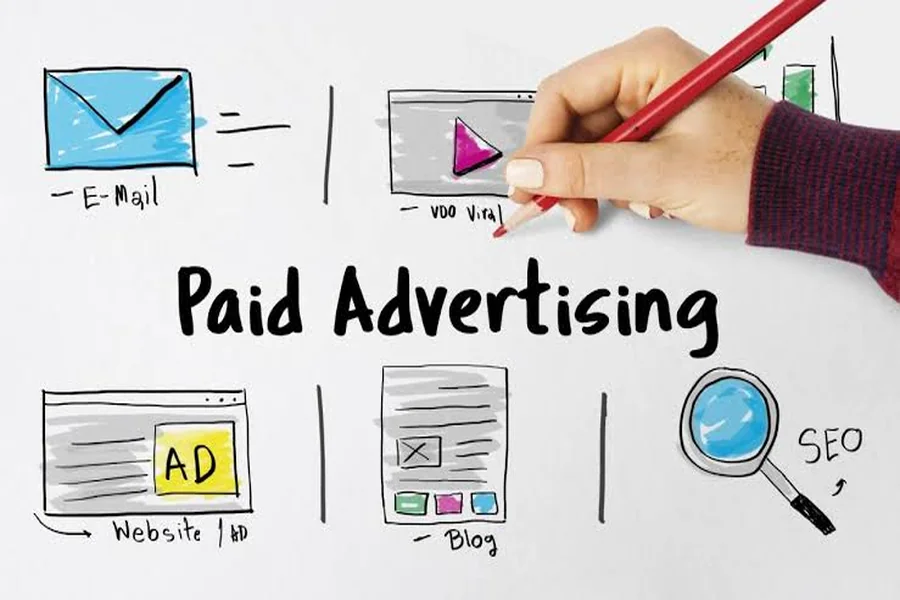
Paid advertising has become an important part of digital marketing because it allows businesses to reach potential customers through targeted online campaigns. Platforms such as Google Ads, Facebook, Instagram, LinkedIn, and YouTube provide opportunities to promote products and services to specific audiences. However, successful advertising requires more than spending money on advertisements. Businesses need clear objectives, suitable targeting, engaging messages, and proper budget management to achieve meaningful results. Understanding paid advertising strategies for businesses can help companies attract relevant visitors, increase brand awareness, and generate more sales. With careful planning and regular performance monitoring, paid campaigns can become a valuable investment for businesses of different sizes and industries.
Set Clear Advertising Goals and Identify Your Audience
Before launching an advertising campaign, businesses should determine what they want to achieve. Common objectives include increasing website traffic, generating leads, promoting new products, improving brand awareness, and encouraging online purchases. Having specific goals makes it easier to select suitable advertising platforms and measure campaign performance. Understanding the target audience is equally important. Businesses should consider customer interests, age groups, locations, purchasing behavior, and professional backgrounds when developing audience profiles. This information helps advertisers create relevant campaigns instead of spending money reaching people who are unlikely to become customers. Clear objectives and audience research provide a strong foundation for making better advertising decisions.
Choose the Right Advertising Platforms
Selecting suitable advertising platforms can significantly influence campaign performance. Google Ads is useful for reaching people who are actively searching for specific products or services. Facebook and Instagram offer audience targeting options and visual advertising formats that can help businesses build awareness and encourage engagement. LinkedIn is particularly valuable for companies targeting professionals and other businesses, while YouTube provides opportunities to communicate through video advertisements. Businesses should compare each platform based on their objectives, audience behavior, advertising costs, and available features. Rather than using every channel immediately, starting with one or two suitable platforms allows marketers to manage campaigns more effectively and understand what produces the best results.
Create Engaging Advertisements and Strong Messages
An effective advertisement needs to capture attention quickly and communicate a clear benefit. Businesses should focus on explaining how their products or services solve customer problems instead of relying entirely on promotional language. Attractive images, short videos, informative headlines, and simple descriptions can make advertisements more appealing. A strong call to action should also guide viewers toward the next step, such as visiting a website, requesting information, or making a purchase. Advertisers should maintain consistent branding across different campaigns so customers can recognize the business easily. Reviewing online platforms and resources, including asuramgg, can be part of broader online research when planning digital promotional activities and understanding different content environments.
Manage Advertising Budgets and Targeting Carefully
Budget management is essential for businesses that want to achieve sustainable results from paid campaigns. Advertisers should establish a realistic spending limit based on their objectives, expected returns, and available resources. Starting with a smaller budget can help identify which advertisements attract the most relevant audience before increasing investment. Campaign targeting should also be reviewed regularly to reduce unnecessary spending. Geographic targeting, audience interests, search keywords, and demographic settings can help businesses reach more relevant users. However, overly narrow targeting may limit campaign opportunities. Monitoring spending alongside clicks, leads, and conversions allows marketers to identify inefficient campaigns and make informed adjustments.
Track Performance and Optimize Campaigns
Advertising performance should be measured continuously rather than evaluated only after a campaign ends. Important metrics include impressions, clicks, click-through rates, cost per click, conversion rates, and return on advertising spend. These figures help businesses understand whether their advertisements are reaching the intended audience and generating meaningful actions. A/B testing can also compare different headlines, images, descriptions, and calls to action. When one version consistently performs better, marketers can use those insights to improve future advertisements. It is equally important to review landing pages because a poorly designed destination can reduce conversions even when the advertisement itself performs well. Regular analysis supports more efficient spending and stronger campaign results.
Final Thought
Paid advertising can help businesses increase visibility, attract potential customers, and support revenue growth when campaigns are planned carefully. The most effective approach combines clear objectives, audience research, suitable platforms, engaging advertisements, and responsible budget management. Businesses should avoid assuming that higher advertising spending automatically produces better outcomes. Instead, they should monitor performance, test different approaches, and make improvements based on reliable data. Understanding customer needs and delivering relevant messages can also improve the overall advertising experience. With consistent optimization and realistic expectations, paid digital campaigns can become a valuable part of a long-term marketing strategy and help businesses compete more effectively in the online marketplace.
FAQs
1. What is paid advertising in digital marketing?
Paid advertising is a marketing method in which businesses pay online platforms to display promotional content to selected audiences through search engines, social media, websites, and video platforms.
2. Which paid advertising platform is best for businesses?
The best platform depends on business objectives and audience behavior. Google Ads works well for search-based demand, while Facebook, Instagram, LinkedIn, and YouTube offer different audience and promotional opportunities.
3. How much should a business spend on paid advertising?
Advertising budgets depend on business size, competition, marketing objectives, and available resources. Businesses can begin with a manageable budget and increase spending when campaigns demonstrate positive results.
4. How can businesses improve paid advertising performance?
Businesses can improve results through audience research, compelling advertisements, relevant landing pages, accurate targeting, A/B testing, and regular performance analysis.
5. What is the difference between PPC and paid advertising?
Paid advertising is a broad term covering different online promotional methods, while PPC, or pay-per-click advertising, is a pricing model in which advertisers pay when users click their advertisements.
6. Why is audience targeting important in paid campaigns?
Audience targeting helps businesses show advertisements to people who are more likely to be interested in their products or services, reducing unnecessary spending and improving campaign relevance.
7. How can businesses measure advertising success?
Businesses can measure success by tracking impressions, clicks, conversions, cost per lead, customer acquisition costs, and return on advertising spend.
8. Can small businesses benefit from paid advertising?
Yes, small businesses can use targeted campaigns and manageable budgets to increase brand awareness, attract local customers, generate leads, and compete with larger companies.