Have you ever been scrolling through Snapchat, Instagram, or a random chat and suddenly seen someone type “wyll” and felt completely confused? You’re not alone. Many people come across this slang and immediately wonder what it actually means. At first glance, it looks like a typo, but in reality, it has a specific meaning in modern texting culture.
The slang “wyll” is widely used among teens and social media users, especially in casual conversations. It often appears in chats where people are getting to know each other. In this article, you’ll learn exactly what “wyll” means, how people use it, and when you should or shouldn’t use it. We’ll also share real chat examples so you can understand it like a pro.
What Does Wyll Mean in Text?
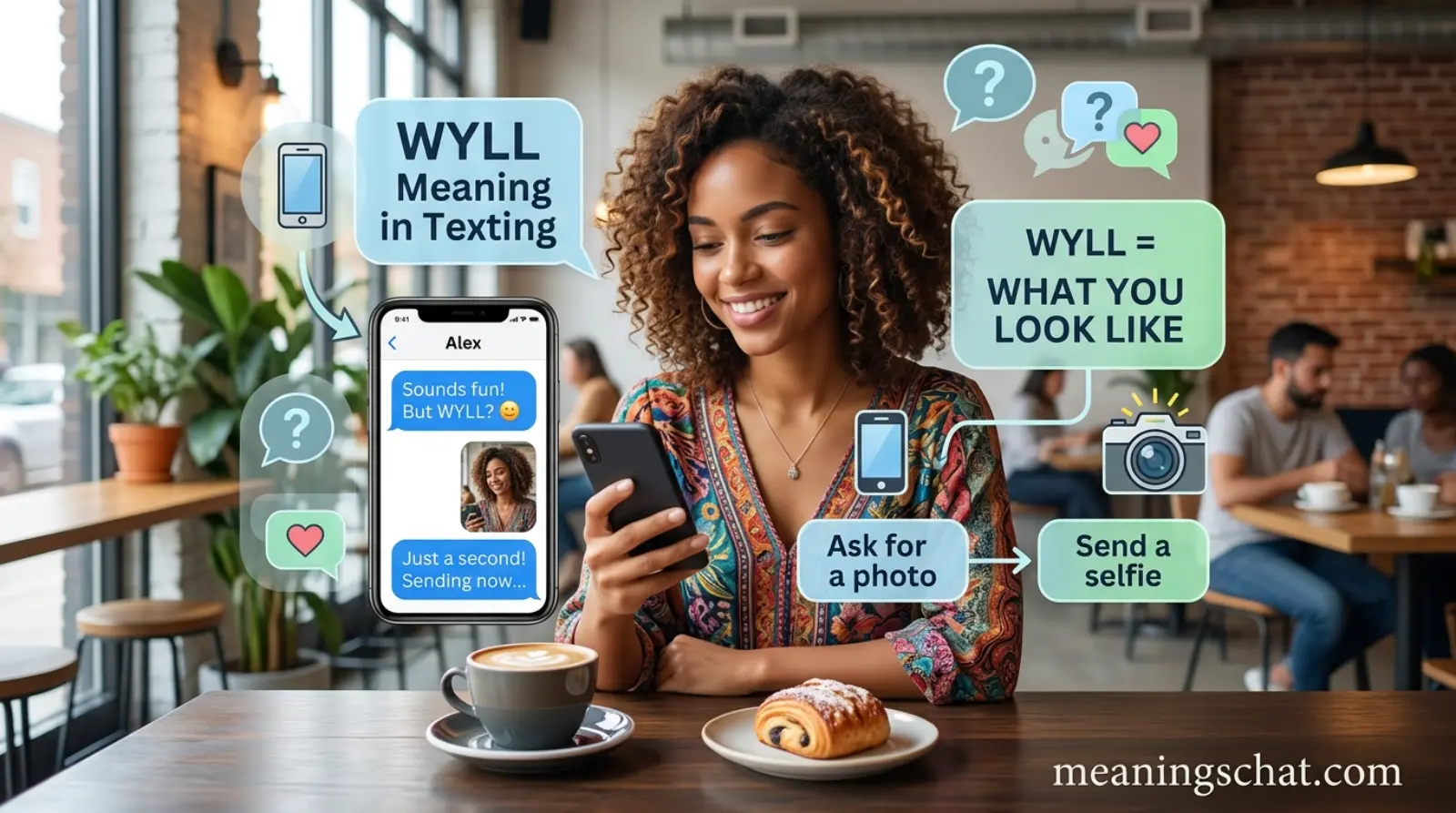
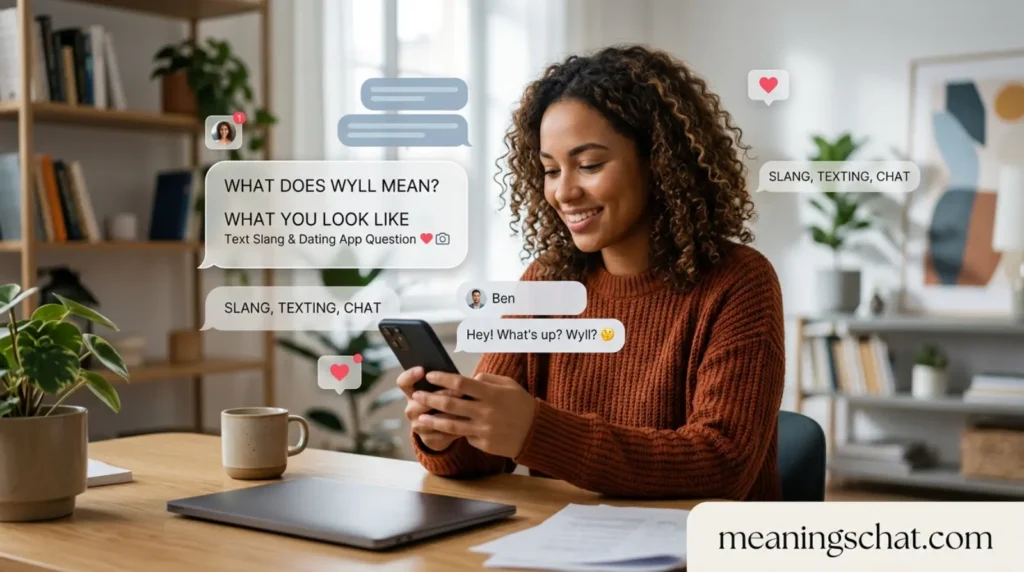
“Wyll” is a short form of the phrase “What You Look Like.” It is commonly used in texting and social media chats when someone wants to ask for a photo or know how a person looks.
Instead of typing the full sentence “What do you look like?”, people shorten it to “wyll” to save time and keep the conversation fast and casual. It is part of modern internet slang where users prefer shorter, quicker expressions.
In some cases, “wyll” can also be used in slightly flirty or curious conversations, especially when two people are chatting for the first time online. However, the most accepted and popular meaning remains “What You Look Like.”
It’s important to note that “wyll” is not formal English. It is purely slang and should only be used in informal chats.
Where Is Wyll Used?
The slang “wyll” is mostly used on social media platforms and chatting apps where casual conversations happen. You will commonly see it in:
Snapchat
Instagram DMs
TikTok comments or messages
WhatsApp chats
Online gaming chats
Among these, Snapchat is one of the most popular platforms where “wyll” appears frequently. This is because users often start conversations without knowing each other personally and quickly ask for pictures or appearances.
The slang is mainly used by teenagers and young adults. It is especially common in online friend groups, dating chats, or casual introductions. Gamers and social media users also use it when they meet new people online and want to know how the other person looks.
Examples of Wyll in Conversation
Here are some real-life style chat examples to help you understand how “wyll” is used naturally:
Example
A: Hey, nice to meet you
B: Hey!
A: Wyll?
Example
A: I’ve been talking to you for days lol
B: Haha yeah
A: Wyll tho?
Example
A: You seem cool
B: Thanks
A: Wyll? I’m curious
Example
A: You got a nice vibe
B: Aww thanks
A: So… wyll?
Example
A: I don’t usually add random people
B: Same here
A: Wyll before we continue talking?
Example
A: Are you real or catfish?
B: I’m real 😂
A: Send wyll then
Example
A: We should talk more
B: Sure
A: First, wyll?
These examples show that “wyll” is usually used when someone wants to see a picture or get an idea of the other person’s appearance in a casual way.
When to Use and When Not to Use Wyll
Understanding when to use slang like “wyll” is important because tone matters in digital communication.
When to Use Wyll
You can use “wyll” in casual conversations with friends, online acquaintances, or people you’ve just met on social media. It works best when the environment is informal and relaxed. If you’re chatting on Snapchat or Instagram and the conversation is friendly, “wyll” fits naturally.
It is also commonly used when:
You are talking to someone new online
You want to continue a light conversation
The chat already feels casual and open
Both people understand internet slang
When Not to Use Wyll
There are situations where using “wyll” is not appropriate. You should avoid it in professional, academic, or formal communication. It may come across as too casual or even confusing.
Avoid using it in:
School emails or assignments
Work-related chats
Professional messages
Formal introductions
Conversations with elders or authority figures
Also, be careful when using “wyll” with someone you don’t know well. Asking for a photo too quickly can sometimes feel intrusive depending on the context.
In short, “wyll” is best reserved for informal and friendly environments.
Similar Slang Words or Alternatives
If you’re learning “wyll,” it helps to know similar slang terms used in texting. These alternatives are often used in similar contexts:
WYD – What You Doing
Used to ask what someone is currently doing.
HMU – Hit Me Up
Used when someone wants the other person to contact them.
BRB – Be Right Back
Used when someone is stepping away temporarily.
IDC – I Don’t Care
Used to show indifference in casual chats.
Lmk – Let Me Know
Used when asking for a response or decision.
These slang terms are often used together in casual conversations and are part of modern texting language, just like “wyll.”
FAQs
What does Wyll mean from a girl?
When a girl uses “wyll,” it usually means she is asking what you look like. It can be friendly curiosity or sometimes playful interest, depending on the conversation tone.
Is Wyll slang rude?
No, “wyll” is not rude by itself. However, it can feel a bit direct if used too early in a conversation without context. Tone matters a lot in texting.
Can I use Wyll in professional chats?
No, you should avoid using “wyll” in professional or formal chats. It is strictly casual slang and not suitable for workplace communication.
Does Wyll have any flirty meaning?
It can sometimes feel flirty depending on the conversation. If used between two people showing interest in each other, it may carry a slightly flirty tone.
Is Wyll still popular in 2025?
Yes, “wyll” is still used in 2025, especially among teens and social media users. However, like most slang, its popularity can change over time.
Conclusion
“Wyll” is a simple internet slang that stands for “What You Look Like.” It is mostly used in casual online conversations when someone wants to see or know the appearance of the person they are chatting with. You’ll commonly find it on Snapchat, Instagram, TikTok, and other social platforms.
While it’s easy and quick to use, always remember the context. It is best suited for informal chats and should be avoided in professional or formal communication. If used correctly, it can help you communicate smoothly in modern digital conversations and understand online slang better.

William Jones is a dedicated writer at Meaningschat who specializes in explaining text slang, abbreviations, and online language trends. He enjoys creating simple, engaging, and reader-friendly content that helps people understand modern digital communication with ease. His writing style is clear, conversational, and informative, making complex internet terms easy for everyone to follow. In his free time, William loves exploring social media trends, reading about digital culture, and discovering how online language continues to evolve.