Have you ever been scrolling through a chat or social media comment and suddenly seen someone type “rls” and had no idea what it meant? At first glance, it looks confusing—like just random letters thrown together. Many people pause mid-conversation trying to decode it, especially when it appears in serious or emotional messages.
The slang “rls meaning in text” is becoming more common across messaging apps, Instagram captions, and Snapchat stories. It usually refers to something connected to real-life situations or relationships, depending on the context. Understanding it can help you avoid confusion and reply more confidently in chats.
In this article, you’ll learn exactly what “rls” means, where it is used, and how to use it naturally in conversations.
What Does RLS Mean in Text?
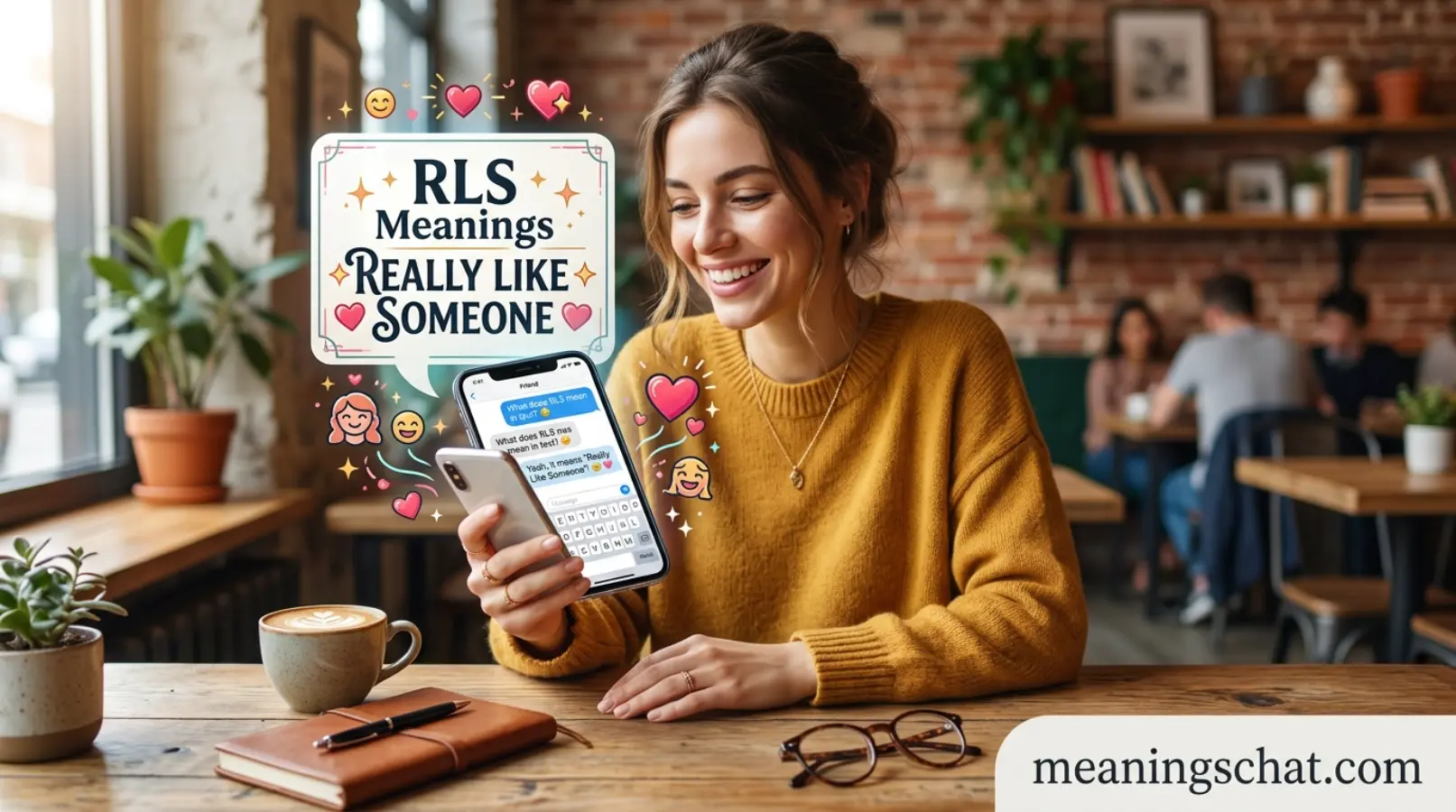
The abbreviation “rls” in text most commonly stands for:
“Real Life Stuff” or “Real Life Situations”
In some contexts, it can also be interpreted as:
- Relationships
- Real-life matters or problems
However, the most widely accepted modern usage is “real life stuff/situations.”
Simple Meaning:
When someone says “rls,” they are usually referring to things happening in their real life outside of the internet—such as school, work, family issues, personal problems, or daily responsibilities.
Example meaning in simple words:
If someone says:
“I can’t play today, dealing with rls.”
They mean:
“I can’t play today because I have real-life things going on.”
Does RLS have multiple meanings?
Yes, it can slightly change depending on the conversation:
- Casual chat → real life stuff
- Emotional chat → real life problems or stress
- Relationship context → sometimes used as “relationships”
So, context is very important when decoding “rls.”
Where Is RLS Used?
The slang “rls” is mostly used in informal digital communication. You will not see it in formal writing or professional emails.
Common platforms where RLS appears:
- Snapchat chats and stories
- Instagram DMs and captions
- TikTok comments
- WhatsApp conversations
- Online gaming chats (Discord, etc.)
Who uses it the most?
- Teenagers and young adults
- Social media users
- Gamers
- People who prefer short texting shortcuts
Why do people use “rls”?
People use it because:
- It saves time while typing
- It makes messages shorter and faster
- It feels casual and modern
- It blends well with internet slang culture
Instead of typing “real life situations,” people just write “rls” to keep conversations quick and relaxed.
Examples of RLS in Conversation
Here are some real-life chat examples to help you understand how “rls” is used naturally:
1. Casual chat
A: “Wanna play tonight?”
B: “Can’t, got rls to handle.”
2. School conversation
A: “Why didn’t you join the group study?”
B: “Busy with rls, maybe tomorrow.”
3. Gaming chat
Player1: “You coming online?”
Player2: “Nah bro, rls hitting hard today.”
4. Friendly emotional chat
A: “You seem quiet lately, everything okay?”
B: “Just dealing with some rls stuff.”
5. Social media caption
“Taking a break from everything… too much rls lately.”
6. Flirty tone
A: “Why didn’t you reply fast?”
B: “Sorry, rls got me distracted 😅”
7. Short update message
“Busy with rls, will text later.”
These examples show how flexible the slang is depending on tone and situation.
When to Use and When Not to Use RLS
Understanding timing and context is important with slang like “rls.”
When to Use RLS
You can use it when:
- Talking with friends or classmates
- Chatting casually on social media
- Explaining personal busyness quickly
- In gaming or online group chats
- When you want to keep messages short
It works best in relaxed and informal environments.
When NOT to Use RLS
Avoid using it in:
- Professional emails
- Job applications or interviews
- Formal school assignments
- Official communication
- Conversations with people who don’t understand slang
Tone of RLS
- Casual: ✔️
- Friendly: ✔️
- Emotional: ✔️
- Professional: ❌
- Formal: ❌
Important Tip
If you’re unsure whether the person understands internet slang, it’s better to write the full phrase like “real life stuff” instead of “rls.”
Similar Slang Words or Alternatives
If you’re learning “rls meaning in text,” here are some similar slang terms that are often used in chats:
1. IRL (In Real Life)
Used to describe things happening outside the internet.
Example: “Let’s meet IRL.”
2. BRB (Be Right Back)
Used when someone steps away temporarily.
Example: “BRB, eating dinner.”
3. GTG (Got To Go)
Used when leaving a conversation.
Example: “GTG, talk later!”
4. AFK (Away From Keyboard)
Common in gaming chats.
Example: “AFK for 10 minutes.”
5. RN (Right Now)
Used to describe something happening at the moment.
Example: “Busy RN, can’t talk.”
These alternatives often appear in the same type of casual conversations as “rls.”
FAQs
What does RLS mean from a girl?
When a girl uses “rls,” it usually means she is referring to her real-life situation, such as being busy, stressed, or handling personal matters. It does not have a special gender-based meaning.
Is RLS slang rude?
No, “rls” is not rude. It is a neutral and casual abbreviation. However, tone matters depending on how it is used in a sentence.
Can I use RLS in professional chats?
No, it is not recommended. “rls” is too informal for professional or formal communication. Use full words instead.
Does RLS have any flirty meaning?
Not directly. However, in flirty chats, it can be used casually to explain being busy or distracted by real-life matters.
Is RLS still popular in 2025?
Yes, it is still used, but not as widely as more common slang like “BRB” or “LOL.” It is more niche and depends on social groups.
Conclusion
The slang “rls meaning in text” mainly refers to real life stuff or real-life situations, and sometimes relationships depending on context. It is a casual abbreviation used mostly in online chats, social media, and gaming conversations.
While it’s useful for quick and informal messaging, it’s important to understand when to use it and when to avoid it. In professional or formal settings, always choose full words for clarity.
A simple tip: if you’re chatting with friends online, “rls” is perfectly fine—but if there’s any doubt, spell it out fully to avoid confusion.

William Jones is a dedicated writer at Meaningschat who specializes in explaining text slang, abbreviations, and online language trends. He enjoys creating simple, engaging, and reader-friendly content that helps people understand modern digital communication with ease. His writing style is clear, conversational, and informative, making complex internet terms easy for everyone to follow. In his free time, William loves exploring social media trends, reading about digital culture, and discovering how online language continues to evolve.