Have you ever met someone named Michael and wondered what their name actually means? Maybe you saw the name in a text message, on social media, or while reading about a famous person and became curious about its origin. You’re not alone. Michael is one of the most popular names in the world, and many people want to know the deeper meaning behind it.
Names often carry history, culture, and special significance. The name Michael has been used for centuries and continues to be a favorite choice for parents today. In this guide, you’ll discover the meaning of Michael, its origins, how people use it, examples of famous Michaels, and much more.
What Does Michael Mean in Text?
Unlike internet slang or abbreviations, Michael is a traditional personal name rather than a text acronym.
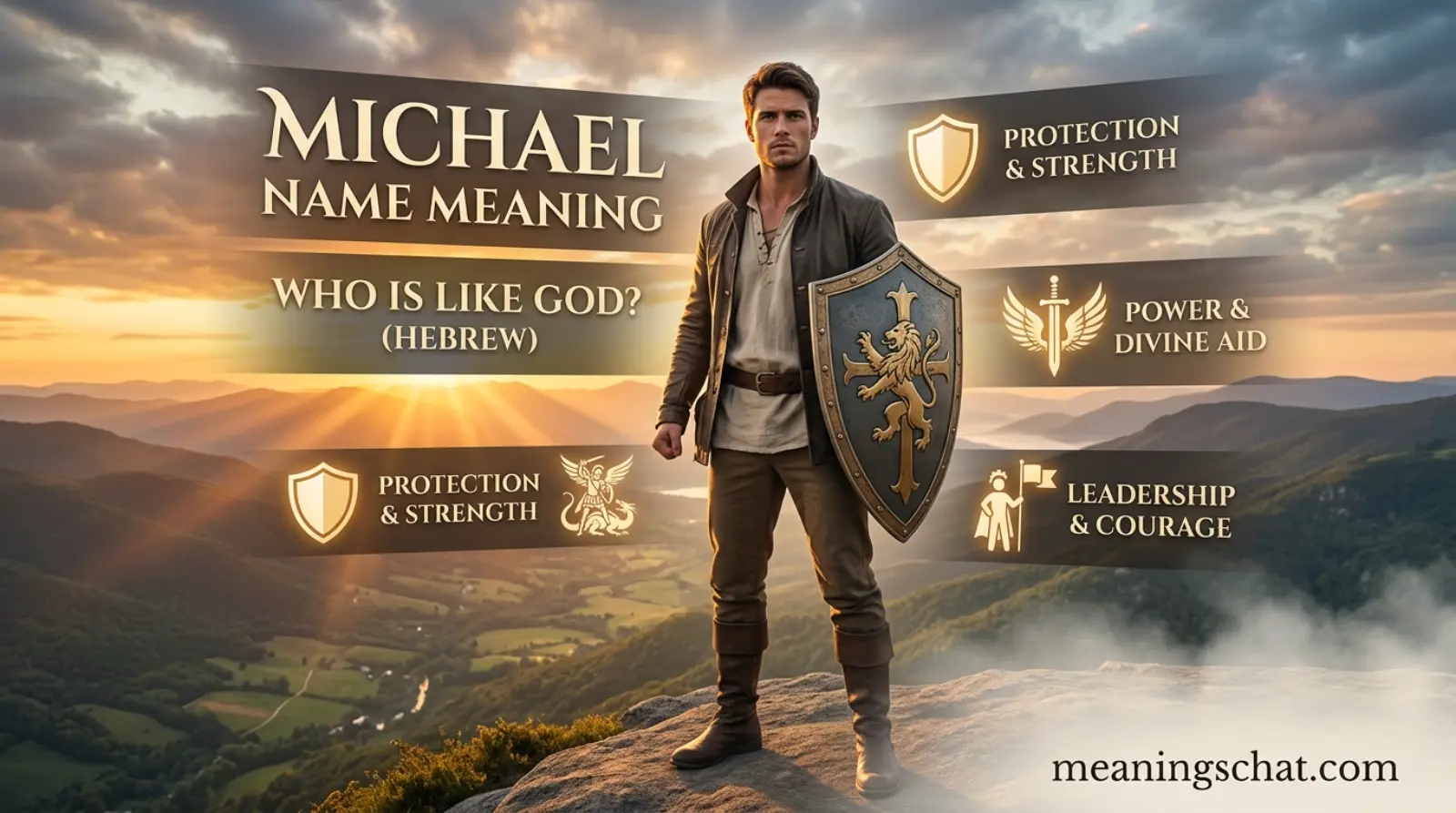
The name Michael comes from the Hebrew name Mikha’el, which means:
“Who is like God?”
This phrase is considered a rhetorical question, implying that no one is equal to God. Because of this powerful meaning, Michael has strong religious and spiritual significance.
Key Meaning of Michael
- Origin: Hebrew
- Meaning: “Who is like God?”
- Gender: Traditionally male
- Popularity: One of the most widely used names worldwide
- Religious Significance: Strongly associated with Christianity, Judaism, and Islam
Alternative Forms of Michael
Many languages have their own versions of Michael, including:
- Miguel (Spanish)
- Michel (French)
- Mikhail (Russian)
- Michele (Italian)
- Mikael (Scandinavian)
Despite different spellings, they all share the same core meaning.

Where Is Michael Used?
Michael is not a slang term used in texting. Instead, it is a personal name commonly seen across various platforms and situations.
Social Media
You’ll frequently see Michael as:
- A username
- A profile name
- A tag in comments
- A mention in conversations
Examples:
- “Michael just posted a new video.”
- “Did you see Michael’s latest Instagram story?”
Text Messaging
People use Michael simply as a person’s name when chatting.
Example:
- “Michael said he’ll arrive at 7 PM.”
Professional Settings
Michael is widely accepted in formal communication, including:
- Emails
- Business meetings
- Academic settings
- Job applications
Religious Contexts
The name Michael is especially significant because of Archangel Michael, an important figure in several religions.
Who Uses the Name Most?
Michael is common among:
- Children
- Teenagers
- Adults
- Professionals
- Public figures
Unlike many trendy names, Michael remains popular across multiple generations.
Examples of Michael in Conversation
Here are some natural examples showing how the name Michael appears in everyday conversations.
Example 1: Friendly Chat
Sarah: Are you coming to the party?
Jake: Yeah, Michael is giving me a ride.
Example 2: School Conversation
Emma: Who helped you with the project?
Ryan: Michael did. He’s really good at research.
Example 3: Family Discussion
Mom: Did Michael call today?
Dad: Yes, he said he’ll visit this weekend.
Example 4: Workplace Chat
Manager: Who completed the report?
Employee: Michael finished it this morning.
Example 5: Social Media Message
User 1: Who took those amazing photos?
User 2: Michael did. He’s a talented photographer.
Example 6: Funny Conversation
Friend 1: Who ate the last slice of pizza?
Friend 2: Ask Michael. He looks suspicious.
Example 7: Casual Text
Alex: Where’s Michael?
Chris: He’s on his way.
When to Use and When Not to Use Michael
Since Michael is a personal name rather than slang, its usage depends on referring to someone named Michael.
When to Use Michael
Use Michael when:
- Referring to a person with that name
- Writing formal documents
- Sending professional emails
- Mentioning someone in conversations
- Creating introductions
Examples:
- “Michael will lead the meeting.”
- “I spoke with Michael yesterday.”
When Not to Use Michael
Avoid using Michael when:
- The person prefers a shortened version like Mike
- You’re confusing it with slang or abbreviations
For example:
If someone prefers “Mike,” consistently calling them Michael may feel overly formal.
Tone of the Name
Michael generally sounds:
- Friendly
- Professional
- Respectful
- Traditional
- Trustworthy
Because of its long history, it works well in both casual and formal situations.
History and Origin of Michael
The name Michael has ancient roots dating back thousands of years.
Hebrew Origins
Michael originates from the Hebrew name Mikha’el.
The name combines three Hebrew elements:
- Mi = Who
- Kha = Like
- El = God
Together, they create the phrase:
“Who is like God?”
Biblical Importance
Michael appears in several religious texts and is known as an archangel.
In Christian tradition, Archangel Michael is often viewed as:
- A protector
- A warrior against evil
- A leader of heavenly armies
This association has helped maintain the name’s popularity throughout history.
Popularity Through the Centuries
Michael became especially popular in:
- Europe during the Middle Ages
- English-speaking countries
- North America
- Australia
- New Zealand
For decades, it ranked among the most popular baby names in the United States.
Personality Traits Often Associated with Michael
While a name doesn’t determine personality, many people associate Michael with positive qualities.
Common characteristics include:
- Leadership
- Confidence
- Loyalty
- Intelligence
- Dependability
- Strength
Many parents choose the name because of its strong and timeless reputation.
Famous People Named Michael
The name Michael has been carried by many influential figures.
Some well-known examples include:
Michael Jordan
Widely regarded as one of the greatest basketball players ever.
Michael Jackson
Known as the “King of Pop” and one of the most successful entertainers in history.
Michael Phelps
The most decorated Olympic swimmer of all time.
Michael Douglas
Award-winning actor and producer.
Michael Keaton
Popular actor known for numerous film and television roles.
These famous individuals have helped keep the name recognizable around the world.
Similar Names or Alternatives
If you like Michael, you might also appreciate these related names.
Mike
A common nickname for Michael.
Mikael
A Scandinavian variation of Michael.
Mikhail
The Russian version of Michael.
Miguel
The Spanish equivalent of Michael.
Michel
A French variation of the name.
All of these names share similar origins and meanings.
FAQs
What does Michael mean from a girl?
The meaning remains the same regardless of who says it. Michael simply means “Who is like God?” and refers to a person’s name.
Is Michael slang?
No. Michael is not slang or a texting abbreviation. It is a traditional personal name with Hebrew origins.
Can I use Michael in professional chats?
Yes. Michael is completely appropriate for professional communication, business emails, and workplace conversations.
Does Michael have any flirty meaning?
No. Michael does not have a flirty meaning. It is simply a person’s name. Any romantic context depends on the conversation itself.
Is Michael still popular in 2025?
Yes. Michael continues to be one of the most recognized and widely used male names around the world.
What is the biblical meaning of Michael?
In the Bible, Michael is an archangel whose name means “Who is like God?” He is often portrayed as a protector and leader.
What is the nickname for Michael?
The most common nickname is Mike, although some people also use Mikey, Mick, or Misha in certain cultures.
Conclusion
The name Michael has a rich history and a powerful meaning that has stood the test of time. Originating from the Hebrew phrase meaning “Who is like God?”, it carries strong spiritual and cultural significance. Unlike internet slang, Michael is a traditional personal name used in everyday conversations, professional settings, and religious contexts worldwide.
If you come across the name Michael in a message, social media post, or conversation, you’ll now understand its meaning, origin, and importance. Knowing the story behind a name can make it even more meaningful and memorable.

William Jones is a dedicated writer at Meaningschat who specializes in explaining text slang, abbreviations, and online language trends. He enjoys creating simple, engaging, and reader-friendly content that helps people understand modern digital communication with ease. His writing style is clear, conversational, and informative, making complex internet terms easy for everyone to follow. In his free time, William loves exploring social media trends, reading about digital culture, and discovering how online language continues to evolve.