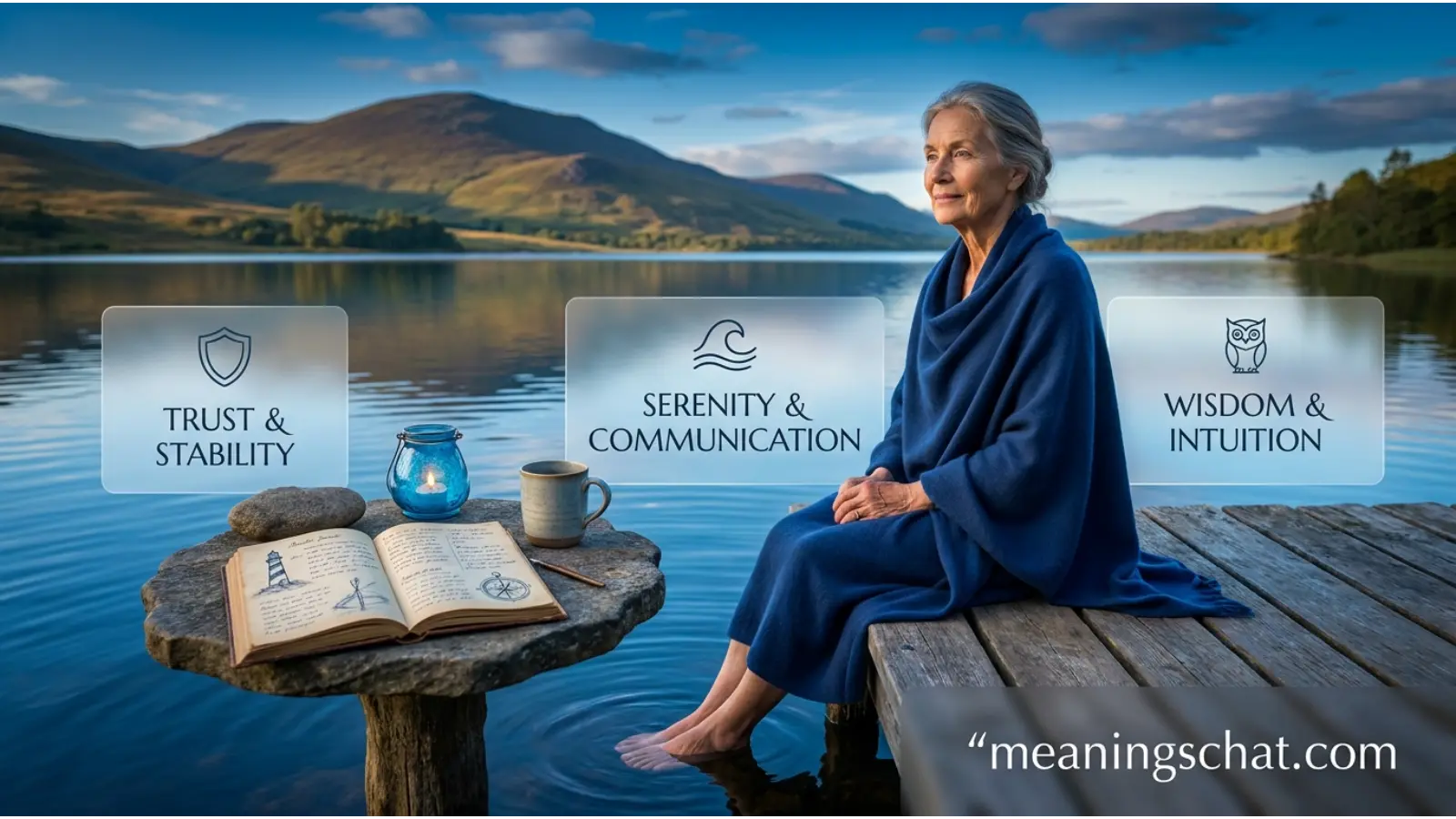
Blue color meaning can reveal a lot about emotions, personality, communication, and symbolism. People often search for the meaning of blue because this color appears everywhere, from clothing and home decoration to logos, art, nature, and social media. Blue can make a space feel peaceful, create a sense of trust, or remind someone of the open sky and calm ocean.
But blue does not communicate just one feeling. Its meaning can change based on the shade, situation, culture, and personal experience. Light blue may feel soft and peaceful, while dark blue can suggest confidence, authority, or seriousness. Bright blue can feel energetic and modern.
Quick Answer
Blue color meaning commonly represents calmness, trust, loyalty, peace, stability, and confidence. However, its emotional meaning can change depending on the shade and context in which it appears.
What Does Blue Color Mean?
Blue is one of the most recognizable colors in the world. It is strongly connected with natural elements such as the sky, oceans, lakes, and rivers. Because of these associations, people often connect blue with openness, peace, depth, and tranquility.
The meaning of blue can include:
- Peace and calmness
- Trust and reliability
- Loyalty and friendship
- Confidence and stability
- Wisdom and intelligence
- Freedom and openness
- Sadness or loneliness
- Professionalism and authority
The exact interpretation depends on how blue is used.
For example, a soft blue bedroom may create a relaxing atmosphere. A dark blue business logo may communicate professionalism and trust. A bright blue outfit may appear energetic and confident.
This makes blue a flexible color with many layers of meaning.
Blue Color Meaning in Psychology
Color psychology explores how colors can influence emotions, impressions, and behavior. Blue often receives positive associations because people commonly connect it with calm natural surroundings.
Blue can create a feeling of stability and relaxation. It may also make something appear dependable and organized.
Many people associate blue with:
- Calm thinking
- Emotional balance
- Security
- Trust
- Focus
- Communication
- Dependability
However, color psychology does not affect everyone in exactly the same way. Personal memories and cultural experiences can influence how someone responds to blue.
For one person, blue might feel peaceful. For another, it might remind them of a sad period or a particular memory.
Blue Color Meaning in Emotions
Blue can represent several different emotions. Its emotional message often depends on its brightness and surrounding colors.
Blue Represents Calmness
One of the most common blue color meanings is calmness. Soft blue shades can remind people of a clear sky or quiet water.
This is why blue often appears in relaxing environments. It can create a peaceful visual atmosphere.
Blue Represents Trust
Blue is also strongly associated with trust and reliability. Organizations often use blue when they want to appear dependable and professional.
The color can give an impression of stability rather than unpredictability.
Blue Represents Sadness
Blue has another well-known association: sadness.
Expressions such as “feeling blue” connect the color with low moods, loneliness, or emotional heaviness. This meaning is especially common in English-speaking cultures.
So blue can represent both peacefulness and sadness, depending on context.
Blue Represents Confidence
Dark and strong blue shades can communicate confidence and authority. Navy blue, for example, often appears in professional clothing and formal settings.
It can create an impression of maturity, discipline, and self-control.
What Does Blue Symbolize?
Blue symbolizes different ideas across everyday life, art, culture, and communication.
Common blue symbolism includes:
Peace: Blue can represent a quiet and relaxing atmosphere.
Trust: Businesses frequently associate blue with dependability and credibility.
Loyalty: Blue can symbolize faithfulness and lasting relationships.
Freedom: The blue sky and wide ocean can represent openness and freedom.
Wisdom: Darker blue shades can suggest knowledge, intelligence, and thoughtful decision-making.
Stability: Blue often creates an impression of balance and consistency.
Sadness: In certain expressions and artistic contexts, blue can represent sorrow or loneliness.
The strongest meaning comes from the surrounding context.
Blue Color Meaning by Shade
Not every blue communicates the same message. Different shades can create very different emotional impressions.
Light Blue Meaning
Light blue often represents:
- Peace
- Innocence
- Freshness
- Softness
- Relaxation
- Openness
It can feel gentle and welcoming. Light blue commonly appears in bedrooms, wellness spaces, baby products, and peaceful designs.
Sky Blue Meaning
Sky blue is closely associated with nature. It can symbolize freedom, openness, hope, and tranquility.
Looking at a clear blue sky often creates a feeling of space and possibility.
Baby Blue Meaning
Baby blue usually creates a soft and gentle impression. It is often associated with innocence, youth, tenderness, and comfort.
Its exact symbolism can vary depending on cultural and design traditions.
Royal Blue Meaning
Royal blue has a stronger and more energetic appearance.
It can represent:
- Confidence
- Strength
- Elegance
- Leadership
- Ambition
Royal blue can attract attention without appearing as aggressive as some warmer colors.
Navy Blue Meaning
Navy blue is darker and more formal.
It commonly represents:
- Professionalism
- Authority
- Stability
- Discipline
- Reliability
That is why navy blue frequently appears in business suits, uniforms, corporate designs, and formal branding.
Turquoise and Blue Green Meaning
Blue-green shades can combine the calm qualities of blue with the refreshing qualities associated with green.
They may represent:
- Freshness
- Creativity
- Balance
- Healing
- Nature
- Relaxation
Blue Color Meaning in Love and Relationships
Blue can have an interesting meaning in relationships.
It may represent loyalty, trust, emotional stability, and commitment. Someone who associates blue with a relationship may see it as a symbol of dependable love rather than intense passion.
Red is often connected with romance and passion, while blue tends to communicate a quieter form of affection.
For example, a blue gift may symbolize:
- “I trust you.”
- “I am loyal to you.”
- “You make me feel calm.”
- “Our relationship feels stable.”
Blue can therefore represent emotional security in relationships.
Blue Color Meaning in Personality
People sometimes use favorite colors as a way to describe personality traits. Someone who loves blue may be perceived as calm, thoughtful, dependable, or organized.
Blue is commonly associated with people who value:
- Peace
- Stability
- Honesty
- Loyalty
- Clear communication
- Personal space
- Reliability
However, favorite colors cannot accurately determine someone’s personality. They are better understood as preferences and cultural associations rather than personality tests.
Blue Color Meaning in Different Cultures
Color meanings are not universal. Different cultures and traditions can interpret blue in different ways.
In many cultures, blue has positive associations with protection, spirituality, peace, or wisdom. In other settings, it may have connections with mourning, sadness, or particular traditions.
This is important when using blue in international branding or communication.
A color that communicates trust in one culture may have a different emotional meaning somewhere else.
Understanding cultural context can help designers, marketers, writers, and businesses avoid unintended messages.
Blue Color Meaning in Branding and Business
Blue is one of the most popular colors in professional branding because it can create an impression of trust and reliability.
Companies may use blue when they want their brand to appear:
- Professional
- Dependable
- Secure
- Modern
- Intelligent
- Established
Technology, finance, healthcare, education, and communication brands often use blue because these industries frequently need to communicate confidence and reliability.
The shade also matters. A bright blue can look youthful and energetic, while navy blue may feel more traditional and formal.
Blue Color Meaning in Clothing
Blue clothing can communicate different messages depending on the shade and style.
Navy blue can create a professional and polished appearance. Light blue can feel relaxed and approachable. Bright blue can attract attention and show confidence.
People may choose blue clothing because it feels:
- Easy to wear
- Professional
- Calm
- Stylish
- Dependable
- Versatile
Blue also pairs well with many other colors, making it a popular choice for everyday fashion.
Blue Color Meaning in Art
Artists use blue to create mood and emotional depth.
A bright blue sky can communicate hope or freedom. A dark blue scene can feel mysterious or serious. A soft blue background can create tranquility.
Blue can also create visual distance. In landscapes, distant objects often appear bluish because of atmospheric effects. Artists can use this quality to create a sense of depth.
The blue color meaning in art therefore depends heavily on composition, lighting, subject matter, and artistic intention.
Blue Color Meaning in Dreams
People sometimes search for the meaning of seeing blue in dreams. Dream symbolism does not have one scientifically established interpretation.
In popular dream interpretation, blue may be associated with:
- Peace
- Emotional reflection
- Communication
- Spirituality
- Calmness
- Sadness
- Distance
The personal context of the dream matters more than the color alone.
For example, a peaceful blue ocean may create a very different interpretation from a dark blue stormy scene.
Blue Color Meaning in Social Media
Blue can communicate calmness, confidence, trust, or friendliness on social media.
The color often works well for profiles, graphics, websites, and posts because it is visually familiar and versatile.
Different shades can create different impressions:
- Light blue can feel friendly and relaxed.
- Bright blue can feel energetic and modern.
- Navy blue can feel professional.
- Deep blue can feel serious and sophisticated.
The surrounding text and imagery also influence the message.
Real-Life Examples of Blue Color Meaning
Here are some simple examples that show how blue can communicate different ideas.
Friendly Example
“She chose a light blue background for her birthday invitation because it made the design feel peaceful and cheerful.”
Here, blue creates a soft and welcoming mood.
Casual Example
“I bought a blue shirt because it feels calm and goes with almost everything.”
In this example, blue represents comfort and versatility.
Professional Example
“The company selected navy blue for its logo to communicate trust and professionalism.”
Here, blue supports a serious business identity.
Emotional Example
“The deep blue artwork made the room feel quiet and reflective.”
The color creates an introspective mood.
Social Media Example
“He used a bright blue theme for his profile because he wanted it to look energetic and modern.”
The bright shade communicates freshness and energy.
Artistic Example
“The painter used different shades of blue to show the peacefulness of the ocean.”
Blue reinforces the natural feeling of calmness.
Blue Color Meaning vs Similar Colors
| Color | Common Meaning | Emotional Impression |
|---|---|---|
| Blue | Trust, calmness, loyalty | Peaceful and dependable |
| Green | Nature, growth, balance | Fresh and refreshing |
| Red | Passion, energy, excitement | Powerful and intense |
| Yellow | Happiness, optimism, warmth | Cheerful and energetic |
| Purple | Creativity, luxury, mystery | Imaginative and elegant |
| Black | Power, sophistication, mystery | Serious and dramatic |
| White | Peace, simplicity, purity | Clean and calm |
These associations are general rather than fixed rules. The design, culture, shade, and situation can change how any color is perceived.
When Should You Use Blue?
Blue works especially well when you want to communicate calmness, reliability, or professionalism.
You can consider blue for:
- Business logos
- Professional websites
- Office spaces
- Formal clothing
- Relaxing bedrooms
- Social media graphics
- Educational materials
- Technology designs
- Wellness-related visuals
- Corporate presentations
The best shade depends on the message you want to create.
When Can Blue Create the Wrong Impression?
Blue is not always the perfect choice.
Too much dark blue can make a design feel heavy or overly serious. Certain shades can also make a space feel cold when used without warmer colors.
Blue may communicate sadness when the surrounding imagery or language has a negative emotional tone.
To create balance, designers often combine blue with neutral or warmer colors.
For example, blue and white can create a clean appearance, while blue and yellow can feel more energetic.
Why Do People Like Blue?
Blue is popular for many reasons. It appears frequently in nature, especially in the sky and water. These natural associations may contribute to its widespread appeal.
Blue can also feel familiar and versatile. It works in professional environments, casual fashion, digital designs, home interiors, and artistic settings.
People may also associate blue with positive personal memories.
Someone might love blue because it reminds them of:
- A favorite vacation
- The ocean
- A childhood room
- A favorite outfit
- A peaceful place
- A meaningful person
Personal experiences can be just as important as general color symbolism.
Is Blue a Positive or Negative Color?
Blue can be both positive and negative.
Positive blue color meanings include:
- Trust
- Peace
- Loyalty
- Confidence
- Stability
- Intelligence
- Freedom
Negative associations can include:
- Sadness
- Loneliness
- Emotional distance
- Coldness
- Seriousness
The context determines the message.
A bright blue sky usually feels positive, while a dark blue image combined with sad language may feel more emotional or gloomy.
Blue Color Meaning in Communication
Colors communicate without words. Blue can influence how people perceive a message before they even read the text.
For example, a blue business website may immediately appear more professional. A soft blue poster may feel calm. A bright blue advertisement may feel youthful and energetic.
This makes color an important part of visual communication.
Still, blue should support the message rather than replace it. Clear wording, good design, and appropriate imagery remain essential.
FAQs:
What is the blue color meaning?
Blue commonly represents calmness, trust, loyalty, stability, confidence, and peace. It can also symbolize sadness depending on the context.
What does blue symbolize emotionally?
Emotionally, blue can symbolize peace, security, trust, emotional balance, and loyalty. Darker or sad contexts can also connect blue with loneliness or sadness.
What does blue stand for in psychology?
In color psychology, blue is commonly associated with calmness, trust, reliability, focus, and stability. Individual reactions can differ based on personal experiences.
What does light blue mean?
Light blue usually represents peace, softness, freshness, openness, and relaxation. It often creates a gentle and welcoming visual impression.
What does dark blue mean?
Dark blue, particularly navy blue, often represents professionalism, authority, confidence, discipline, and reliability.
Is blue a good color for a business logo?
Yes. Blue can work well for business branding because it often creates an impression of trust, professionalism, and dependability. The best shade depends on the company’s audience and personality.
Conclusion
The blue color meaning includes many ideas, from calmness and trust to loyalty, confidence, stability, and sadness. Its message changes according to the shade, setting, culture, and emotions surrounding it.
Light blue often feels peaceful and gentle, while royal blue can appear confident and energetic. Navy blue tends to communicate professionalism and authority. Blue can also represent sadness when used in emotional expressions or darker artistic settings.
Understanding these different meanings can help you choose blue more thoughtfully in clothing, branding, interior design, art, and digital communication. The most important thing to remember is that color symbolism is flexible. Blue does not have one fixed meaning; context gives it meaning.