You might have seen someone type “OMG!” in a chat, comment, or even in a TikTok caption and wondered what it really means. At first glance, it looks like just random letters, but it actually carries a strong emotional reaction. Imagine your friend texting, “OMG I can’t believe this happened!” and you’re sitting there trying to decode it instead of reacting. That’s exactly why understanding internet slang like this matters today.
In modern digital conversations, short forms like OMG make chatting faster, more expressive, and more fun. People use it every day to show surprise, excitement, shock, or even disbelief. But the meaning can slightly change depending on the situation. In this guide, you’ll learn exactly what OMG means in text, how to use it naturally, and when it fits best in conversations so you can chat confidently anywhere online.
What Does OMG Mean in Text?
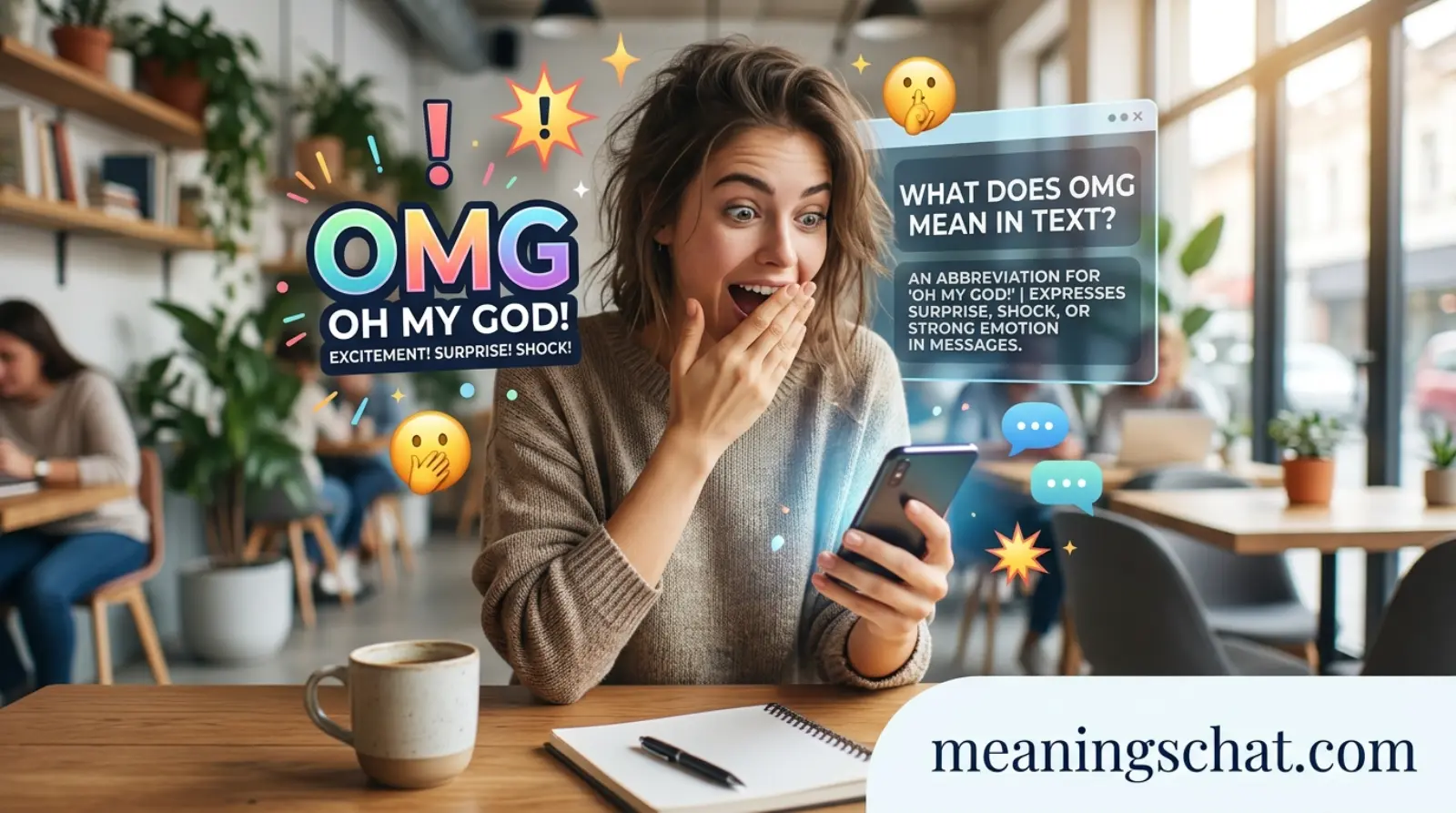
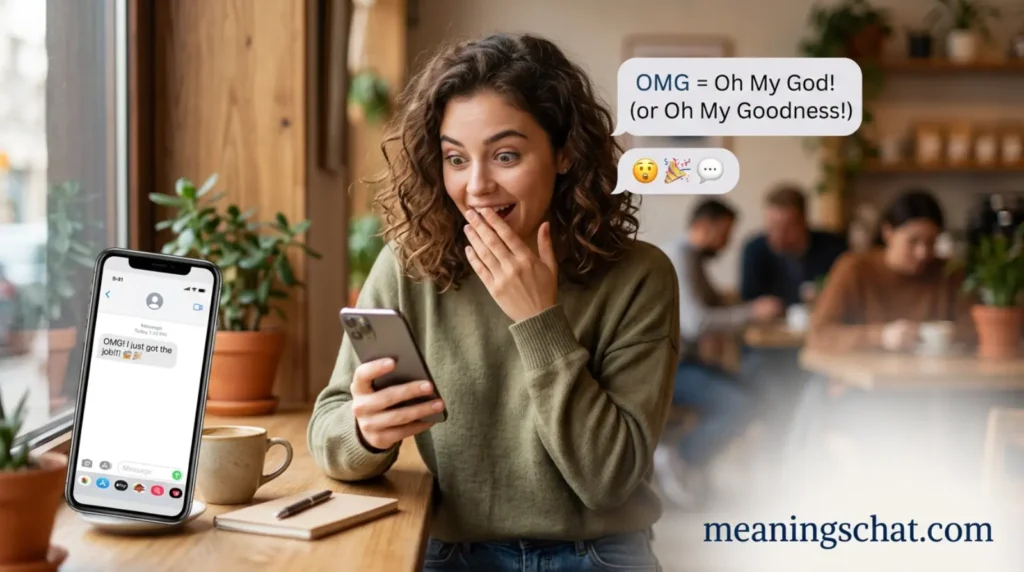
OMG is an abbreviation for “Oh My God.” It is used to express strong emotions such as surprise, shock, excitement, frustration, or amazement in a quick and casual way.
Instead of typing a full sentence like “Oh my God, I can’t believe it,” people shorten it to OMG to react instantly in conversations. It helps messages feel more natural and emotionally expressive without needing long explanations.
In some cases, OMG can also be slightly modified depending on tone:
- OMFG – “Oh My Freaking God” (stronger emotion, often informal or dramatic)
- OMGosh / OML (Oh My Lord) – softer or more polite versions
The meaning of OMG depends heavily on context. It can show happiness, shock, disbelief, or even sarcasm. That’s why it is considered one of the most versatile slang expressions in digital communication.
Where Is OMG Used?
OMG is widely used across almost all digital platforms where informal communication happens. It is especially popular in fast-paced, reaction-based conversations.
You’ll commonly see OMG on:
- Text messaging (SMS, WhatsApp, iMessage)
- Social media platforms like Instagram, Snapchat, and Facebook
- Short-video apps like TikTok and YouTube comments
- Online gaming chats and Discord servers
It is mostly used by teenagers, young adults, and social media users who prefer quick emotional reactions in their conversations. However, it is now so common that even older users use it casually online.
OMG is also frequently used in memes, captions, and comments because it adds emotional weight to short messages. For example, instead of writing a long reaction, users simply say “OMG 😂” or “OMG no way!”
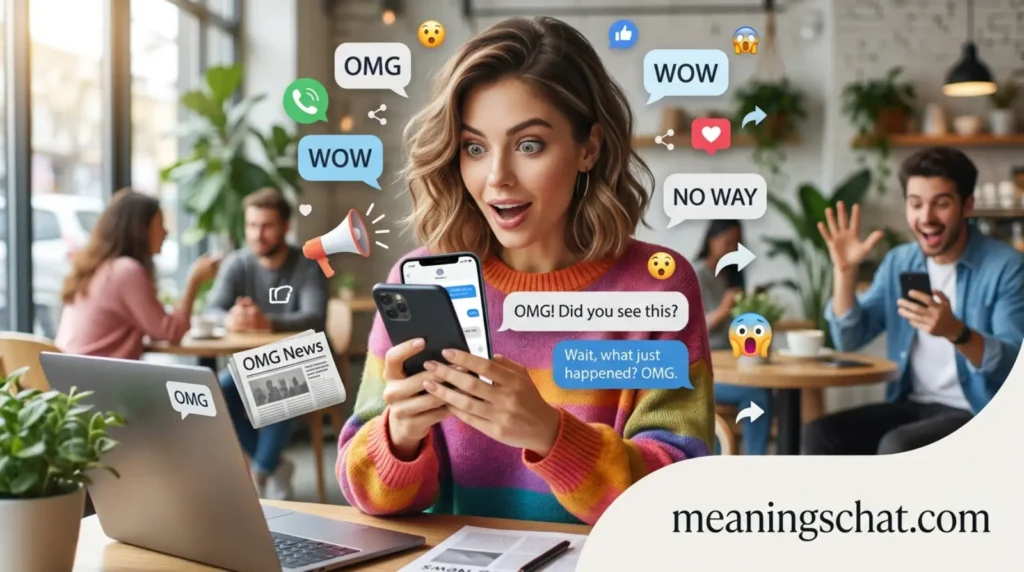
Examples of OMG in Conversation
Here are some realistic chat-style examples showing how OMG is used in different situations:
- Surprise reaction
Friend 1: I just won the lottery!
Friend 2: OMG are you serious?! - Excitement
Friend: The concert tickets are finally here!
You: OMG I can’t wait!! - Shock or disbelief
Friend: He actually quit his job today.
You: OMG why would he do that? - Funny situation
Friend: I just fell in front of everyone at school 😂
You: OMG stop, I’m laughing so hard! - Flirty context
Crush: I was thinking about you today
You: OMG really? That’s so sweet 😳 - Drama or gossip
Friend: They broke up again.
You: OMG no way, I knew something was off! - Casual reaction
Friend: I passed my exam!
You: OMG congrats, you deserve it!
These examples show how flexible OMG is. It can fit emotional, funny, serious, or even romantic conversations depending on tone and context.
When to Use and When Not to Use OMG
OMG is extremely common, but knowing when to use it is important so your message matches the situation properly.
When to Use OMG:
- Casual conversations with friends and family
- Social media comments or captions
- Expressing strong emotions quickly
- Reacting to surprising or funny news
- Online chats, gaming, or informal groups
When Not to Use OMG:
- Formal emails or professional communication
- Job applications or workplace reports
- Academic writing or school assignments
- Serious or sensitive situations where casual tone may seem disrespectful
For example, saying “OMG this report is ready” in an office email would sound too informal. Instead, it’s better to use complete and professional language like “I have completed the report.”
OMG is best suited for relaxed and personal communication. It helps make conversations feel lively, but it should be avoided in formal or professional environments.
Similar Slang Words or Alternatives
If you often see OMG in chats, you’ll also come across similar slang expressions that carry related meanings:
- LOL (Laugh Out Loud) – used when something is funny
- WOW – expresses amazement or surprise
- OMGosh / OML (Oh My Lord) – softer versions of OMG
- No way! – used to show disbelief
- WTFFF / WTF (What The Freak/What The F*)** – stronger reaction, often informal and sometimes offensive
These alternatives help users express emotions in different intensity levels. For example, “WOW” is mild, while “WTF” is much stronger and should be used carefully.
FAQs
What does OMG mean from a girl?
It means the same thing as anyone else using it: “Oh My God.” From a girl, it usually expresses surprise, excitement, or emotional reaction depending on the conversation.
Is OMG slang rude?
No, OMG is generally not considered rude. It is a mild expression used to show emotion. However, some people may avoid it for religious reasons since it references “God.”
Can I use OMG in professional chats?
It is not recommended. OMG is too casual for professional or formal communication. It is better to use complete sentences in work-related messages.
Does OMG have any flirty meaning?
OMG itself is not inherently flirty, but it can appear in flirty conversations when reacting to compliments or romantic messages.
Is OMG still popular in 2025?
Yes, OMG is still widely used in 2025 across social media, texting apps, and online conversations. It remains one of the most common internet slang expressions.
Conclusion
OMG is one of the simplest yet most powerful slang terms used in digital communication. It stands for “Oh My God” and helps people quickly express surprise, excitement, shock, or strong emotion in chats and social media posts. Its meaning depends on context, making it flexible and widely used across different platforms.
If you want to use OMG confidently, just remember it fits best in casual and friendly conversations. Avoid it in formal or professional settings, and you’ll always sound natural in online chats.

William Jones is a dedicated writer at Meaningschat who specializes in explaining text slang, abbreviations, and online language trends. He enjoys creating simple, engaging, and reader-friendly content that helps people understand modern digital communication with ease. His writing style is clear, conversational, and informative, making complex internet terms easy for everyone to follow. In his free time, William loves exploring social media trends, reading about digital culture, and discovering how online language continues to evolve.