A comfortable home is not only about stylish furniture or beautiful decorations. It is also about creating spaces where everything has a place and daily routines feel easier. Home Organization And Storage plays an important role in reducing clutter, improving efficiency, and making rooms feel more welcoming. When belongings are arranged properly, you spend less time searching for items and more time enjoying your living space.
Many homes struggle with limited space, overflowing closets, crowded countertops, and storage areas that are difficult to use. The solution is not always buying more furniture or larger storage units. Often, the key is using smart organization methods that maximize the space already available. With thoughtful planning, even small rooms can become neat, functional, and visually appealing.
Creating a Practical Organization System
The first step toward an organized home is creating a system that matches your lifestyle. Every household has different needs, so storage solutions should be based on daily habits rather than temporary fixes. A family with children may need accessible storage for toys and school supplies, while someone working from home may need a dedicated area for documents and office equipment.
Start by identifying areas that create the most frustration. This could be a messy kitchen drawer, a crowded wardrobe, or an entryway filled with shoes and bags. Tackling one problem area at a time makes the process more manageable and prevents the task from becoming overwhelming.
Decluttering is an important part of any organization plan. Before adding storage containers or shelves, review the items you own. Keep things that are useful, meaningful, or regularly used. Items that are broken, outdated, or no longer needed can take up valuable space. Removing unnecessary belongings creates room for better organization.
Storage should also be easy to maintain. A complicated system may look impressive at first but can quickly become difficult to manage. Simple solutions, such as labeled baskets, drawer dividers, and clearly assigned spaces, encourage everyone in the household to return items where they belong.
Smart Storage Solutions for Every Room
Each area of the home has unique storage challenges. The right approach depends on the purpose of the room and the items that need to be stored. A combination of visible and hidden storage can help maintain both convenience and a clean appearance.
In the kitchen, efficient storage can transform everyday tasks. Use cabinet organizers, pull-out shelves, and vertical storage options to make better use of available space. Frequently used cooking tools should remain within easy reach, while seasonal appliances can be stored in less accessible areas. Clear containers for pantry items can also make it easier to see what you have and reduce food waste.
Bedrooms often require careful planning because clothing, accessories, and personal items can quickly create clutter. Closet organizers, under-bed storage boxes, and multi-purpose furniture can provide extra space without making the room feel crowded. Folding clothes efficiently and arranging items by category can also make mornings smoother.
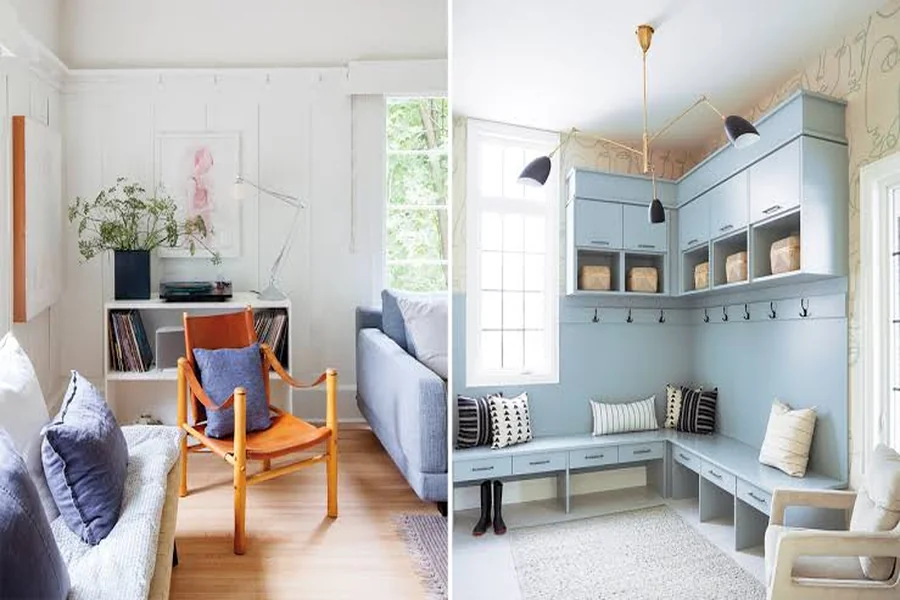
Living rooms benefit from storage solutions that combine practicality with design. Shelving units, storage ottomans, and cabinets can help keep books, electronics, blankets, and entertainment items organized. Instead of allowing everyday objects to collect on tables and surfaces, create specific places for them.
Bathrooms are another area where smart storage makes a noticeable difference. Wall-mounted shelves, drawer organizers, and small containers can help manage toiletries and personal care products. Keeping frequently used items accessible while storing extras separately prevents counters from becoming cluttered.
Home offices require organization to support productivity. Cable management tools, filing systems, and desk organizers can create a cleaner workspace. A well-arranged office reduces distractions and helps maintain focus during work or study sessions.
Making the Most of Small Spaces
Limited space does not mean you cannot have an organized home. Small areas often benefit the most from creative storage strategies. Using vertical space is one of the most effective ways to increase storage capacity without taking up additional floor space.
Tall bookshelves, hanging organizers, and wall-mounted hooks can turn empty walls into useful storage areas. Doors can also provide hidden opportunities with over-the-door racks for shoes, cleaning supplies, or accessories.
Multi-functional furniture is another valuable option for smaller homes. Beds with built-in drawers, benches with storage compartments, and foldable desks allow one item to serve multiple purposes. These solutions help reduce clutter while keeping rooms flexible.
Another useful approach is grouping similar items together. Instead of spreading belongings across different locations, create specific zones. A cleaning supply area, a charging station for electronics, or a small drop zone near the entrance can make everyday activities more organized.
Storage containers should also be chosen carefully. Large containers may seem convenient, but they can encourage unnecessary accumulation. Select sizes that fit your available space and match the items being stored. Transparent containers are helpful for frequently used belongings because they allow you to quickly identify contents.
Maintaining an Organized Home Long Term
Organization is not a one-time project. It is an ongoing habit that requires small, consistent efforts. Once a storage system is created, regular maintenance helps prevent clutter from returning.
A few minutes spent each day can make a significant difference. Returning items after use, clearing surfaces, and handling small messes immediately keeps rooms manageable. Weekly routines, such as reviewing paperwork or organizing a specific drawer, can prevent larger problems later.
Seasonal organization is also useful. Clothing, decorations, and equipment that are only used during certain times of the year can be stored separately. Rotating these items keeps everyday spaces available for things you use more often.
It is also helpful to review storage systems as your needs change. A method that works today may not be ideal after a lifestyle change, a move, or a new family addition. Adjusting your organization approach ensures your home continues to support your daily routine.
An organized home should feel comfortable rather than restrictive. The goal is not perfection but creating an environment where belongings are easy to access and spaces are enjoyable to use. Flexible systems allow you to maintain order without spending excessive time cleaning and rearranging.
FAQs
What is the best way to start organizing a home?
The best way to start is by choosing one small area and removing items that are unnecessary or unused. After decluttering, create simple storage solutions that make frequently used items easy to access.
How can I organize a small home with limited storage space?
A small home can be organized by using vertical storage, multi-purpose furniture, hidden compartments, and carefully planned storage zones. Making use of unused spaces, such as walls and doors, can increase available storage.
How often should I reorganize my home?
A home does not need a complete reorganization frequently. Small daily habits and regular monthly or seasonal reviews are usually enough to keep spaces organized and functional.
Are storage containers useful for home organization?
Storage containers are useful when they support a clear system. They help group similar items, protect belongings, and make spaces easier to manage when chosen according to your needs.
How can I keep my home organized with a busy schedule?
Keeping a home organized becomes easier when everyone follows simple routines. Spending a few minutes each day returning items to their proper places can prevent clutter from building up.
What are common mistakes people make when organizing their homes?
Common mistakes include buying storage products before decluttering, creating systems that are difficult to maintain, and storing items without considering how often they are used.
Final Thought
A well-organized home creates more than a tidy appearance. It provides a sense of comfort, saves time, and makes everyday activities easier. Effective organization comes from understanding your needs, removing unnecessary clutter, and choosing storage methods that fit your lifestyle. With practical planning and consistent habits, any home can become a more peaceful and functional place to live.