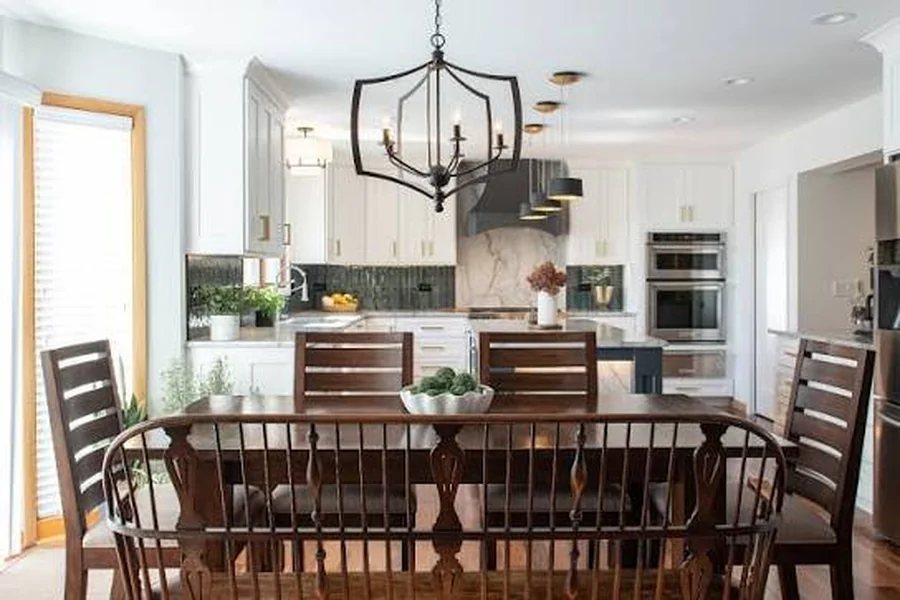
Improving your home can be an exciting journey, whether you want to update a single room, increase comfort, or prepare your property for the future. However, without proper preparation, renovation costs can quickly become overwhelming. Home Improvement Budget Planning helps homeowners organize their ideas, estimate expenses, and make informed decisions before spending money.
A well-prepared budget does more than limit spending. It creates a clear path for completing projects while reducing financial stress. From choosing materials to deciding which improvements should happen first, careful planning allows you to balance your vision with your available resources. Whether you are making small upgrades or planning a major renovation, understanding how to manage costs is one of the most important steps toward success.
Why Home Improvement Budget Planning Matters
Many homeowners begin renovation projects with a general idea of what they want but underestimate the true cost involved. Expenses such as labor, permits, materials, unexpected repairs, and design changes can add up quickly. A detailed budget helps identify these costs early and prevents unpleasant surprises during the project.
One major advantage of creating a budget is that it helps you prioritize improvements. Not every project needs to happen at the same time. For example, repairing a damaged roof or fixing electrical issues may be more important than replacing decorative features. A budget allows you to focus on essential upgrades first while planning future improvements.
Budget planning also helps you make better choices when selecting materials and services. When you know your financial limits, you can compare options more effectively and avoid impulsive decisions. Instead of choosing expensive products that may strain your finances, you can find alternatives that provide quality and value.
Another benefit is improved communication with contractors and professionals. A clear budget gives everyone involved a better understanding of expectations, project goals, and available resources. This can reduce misunderstandings and help keep the renovation process organized from start to finish.
Building a Realistic Renovation Budget
The first step in creating a successful home renovation budget is defining your project goals. Write down exactly what you want to improve and separate necessary repairs from optional upgrades. A kitchen remodel, bathroom renovation, outdoor improvement, or entire home update will each require different levels of planning and investment.
After identifying your goals, research average costs for similar projects in your area. Material prices, labor rates, and construction requirements can vary widely, so gathering multiple estimates is important. Speaking with professionals and reviewing recent renovation examples can help you create more realistic expectations.
Your budget should include several categories of expenses. Materials are usually one of the largest costs, including flooring, cabinets, paint, fixtures, appliances, and hardware. Labor expenses should also be considered carefully because skilled work often represents a significant portion of the total investment.
Do not forget smaller expenses that are easy to overlook. Delivery fees, waste removal, tools, design services, and permit costs can affect your final spending. Creating a detailed list of possible expenses gives you a clearer picture of the overall project cost.
A smart renovation budget should also include an emergency fund. Unexpected problems are common during home improvements. Hidden water damage, outdated wiring, structural issues, or changes in material prices may increase expenses. Setting aside an additional amount, often around 10 to 20 percent of the estimated budget, can provide protection against these situations.
Ways to Control Costs During Home Projects
Keeping renovation expenses under control does not mean choosing the cheapest options available. It means making thoughtful decisions that provide long-term value. One effective approach is comparing multiple quotes from contractors before selecting a service provider. Different professionals may offer different pricing structures, timelines, and solutions.
Planning purchases carefully can also reduce costs. Buying materials during sales, comparing suppliers, and avoiding last-minute purchases can help stretch your budget further. However, quality should remain a priority because low-quality materials may create additional expenses through repairs or replacements later.
Another useful strategy is deciding where professional help is necessary and where you can complete smaller tasks yourself. Painting, basic landscaping, or simple decorating projects may be manageable for many homeowners. However, electrical work, plumbing, structural changes, and other specialized tasks usually require trained professionals for safety and reliability.
Creating a realistic timeline can also prevent unnecessary spending. Rushing a project may lead to expensive mistakes, limited choices, or higher contractor fees. A well-organized schedule allows you to complete each stage properly while maintaining control over expenses.
Reusing or updating existing features is another way to save money. Instead of replacing everything, consider refinishing cabinets, repairing furniture, or updating fixtures. Small improvements can create a fresh appearance without requiring a complete replacement.
Common Budget Mistakes to Avoid
One of the biggest mistakes homeowners make is starting a project without a complete financial plan. A general estimate is not enough when multiple expenses are involved. Without detailed planning, costs can quickly exceed expectations and force unwanted compromises.
Another common mistake is focusing only on appearance while ignoring practical needs. Beautiful finishes are appealing, but important systems such as insulation, plumbing, roofing, and electrical components often provide greater long-term benefits. A balanced approach ensures that your investment improves both style and functionality.
Failing to include extra funds for unexpected expenses is another frequent problem. Even carefully planned renovations can encounter surprises. A backup budget gives you flexibility and helps keep the project moving forward.
Homeowners may also underestimate the importance of researching contractors. Choosing a service provider based only on the lowest price can sometimes lead to poor workmanship or additional costs later. Checking experience, references, communication style, and project details can help you make a stronger decision.
Changing plans too often during construction can also increase expenses. While adjustments may sometimes be necessary, frequent design changes can create delays and additional material or labor costs. Finalizing important decisions before work begins can make the process smoother.
FAQs
What is the first step in home renovation budget planning?
The first step is identifying your project goals, listing required improvements, and estimating the costs involved before making financial commitments.
How much extra money should I keep for unexpected renovation costs?
Many homeowners keep an additional 10 to 20 percent of their estimated budget to handle unexpected repairs, price changes, or project adjustments.
Should I hire a contractor or complete home improvements myself?
The choice depends on the project type, your skills, available time, and safety requirements. Professional help is usually recommended for complex work involving electrical, plumbing, or structural changes.
How can I reduce home improvement expenses without lowering quality?
You can control costs by comparing quotes, selecting durable materials, planning purchases, updating existing features, and focusing spending on improvements that provide long-term value.
Why is creating a detailed renovation budget important?
A detailed budget helps you understand expected expenses, avoid overspending, prioritize projects, and make confident decisions throughout the improvement process.
Final Thought
Successful home improvements begin with careful preparation and realistic financial planning. A clear budget allows you to transform your ideas into achievable projects while maintaining control over your spending. By researching costs, setting priorities, preparing for unexpected expenses, and making thoughtful choices, you can create a home that meets your needs without unnecessary financial pressure.
Home renovation is not only about changing the appearance of a property. It is about creating a comfortable, functional, and valuable space for the future. With proper planning and responsible decision-making, your improvement project can become a rewarding investment that delivers lasting benefits.