Have you ever seen someone post “Happy Halloween!” or share pumpkin, ghost, and candy emojis online and wondered what Halloween actually means? Maybe you noticed friends dressing up in costumes, decorating their homes, or talking about trick-or-treating on social media. While Halloween is not text slang like “LOL” or “BRB,” many people search for its meaning because they want to understand what the holiday represents and why it is celebrated.
In this guide, you’ll learn the Halloween meaning, its history, traditions, where people talk about it online, and how to use the word correctly in conversations, texts, and social media posts.
What Does Halloween Mean in Text?
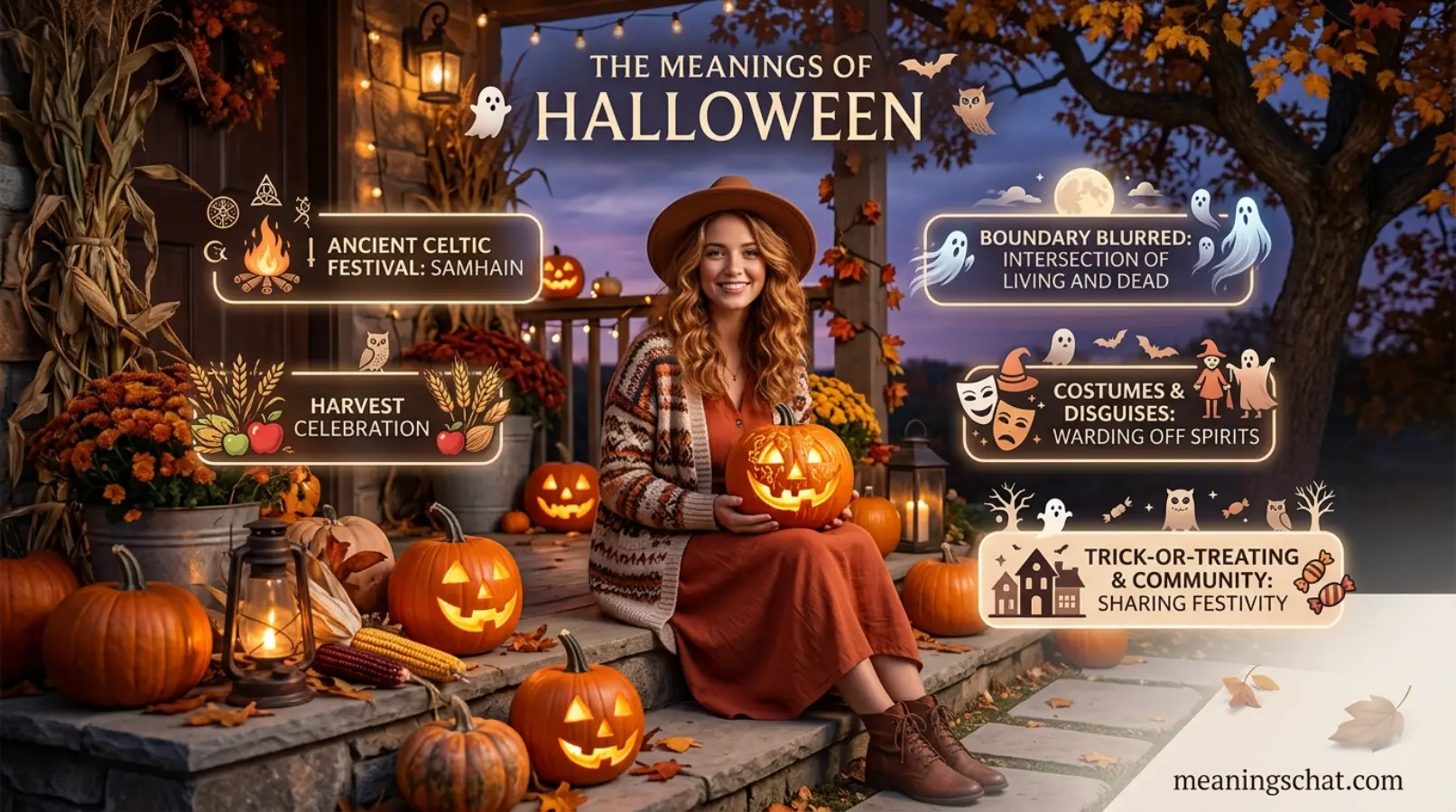
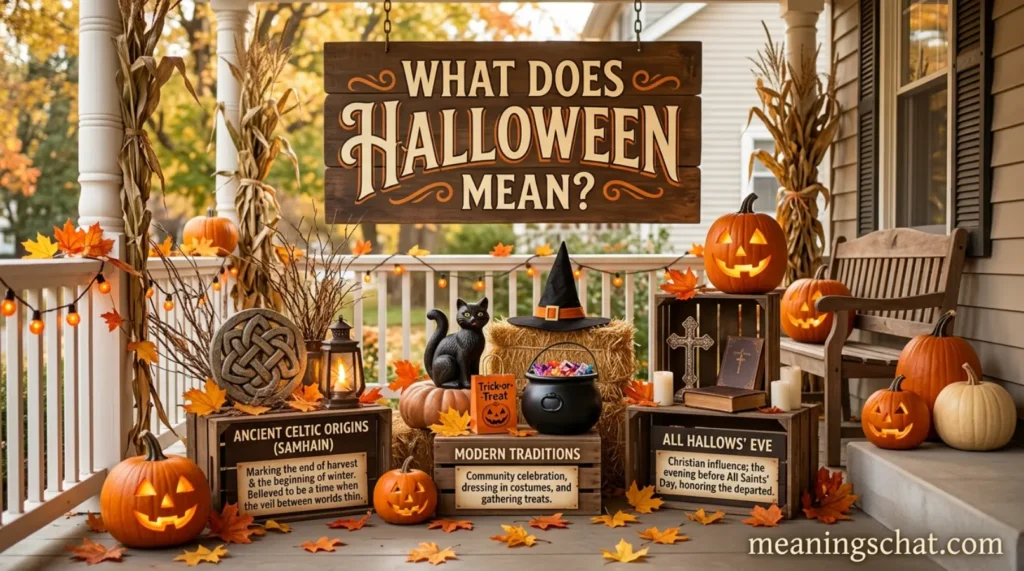
The Halloween meaning refers to a holiday celebrated every year on October 31. The word Halloween comes from “All Hallows’ Eve,” which means the evening before All Saints’ Day, a Christian holiday observed on November 1.
Today, Halloween is known as a fun celebration that includes:
- Wearing costumes
- Trick-or-treating
- Decorating homes with pumpkins
- Watching scary movies
- Attending Halloween parties
- Sharing spooky content online
When people use Halloween in text messages or social media, they usually mean the holiday itself or anything related to spooky fun.
For example:
- “Can’t wait for Halloween!”
- “My Halloween costume is finally ready.”
- “Happy Halloween everyone!”
Unlike internet abbreviations, Halloween is simply the name of a well-known holiday rather than a slang term.
Does Halloween Have More Than One Meaning?
Yes. Depending on the conversation, Halloween can refer to:
- The holiday on October 31
- Halloween-themed decorations
- Costume parties
- Horror movies or spooky events
- The general autumn celebration season
For example:
- “We’re decorating for Halloween.”
- “Halloween is my favorite holiday.”
- “Let’s have a Halloween movie marathon.”
The exact meaning depends on the context.
Where Is Halloween Used?
Halloween is discussed almost everywhere, both online and offline. During October, it becomes one of the most popular seasonal topics across social media.
Common places where people use the word include:
Text Messages
Friends often make Halloween plans through text.
Example:
“Are you dressing up for Halloween?”
People post costume photos, pumpkin decorations, party pictures, and spooky reels.
Examples include:
- Halloween makeup
- Costume ideas
- Pumpkin carving
- Haunted house visits
TikTok
TikTok fills with:
- Costume transformations
- Makeup tutorials
- Halloween challenges
- Horror-themed videos
Snapchat
Users share:
- Halloween selfies
- Costume snaps
- Trick-or-treat moments
- Halloween filters
Families often post:
- Holiday celebrations
- Children’s costumes
- Community events
- Party invitations
X (formerly Twitter)
People discuss:
- Horror movies
- Halloween jokes
- Costume trends
- Celebrity outfits
Gaming Communities
Many games release special Halloween events featuring:
- Limited-time skins
- Seasonal maps
- Halloween rewards
- Spooky game modes
Halloween is popular among:
- Children
- Teenagers
- College students
- Families
- Horror movie fans
- Gamers
- Social media creators
Examples of Halloween in Conversation
Here are some natural chat examples.
Example 1
Alex: Are you coming to the Halloween party?
Emma: Absolutely! I already bought my costume.
Example 2
Jake: Happy Halloween!
Lily: Thanks! Hope you get lots of candy.
Example 3
Sara: What’s your Halloween costume this year?
Noah: I’m going as a vampire.
Example 4
Mia: Want to watch a scary movie tonight?
Ryan: Perfect. Halloween is almost here.
Example 5
Ella: Did you carve your pumpkin yet?
Grace: Yes! It’s my favorite Halloween tradition.
Example 6
Tom: Are you taking the kids trick-or-treating?
Anna: Yes, they can’t wait for Halloween.
Example 7
Chris: Your Halloween decorations look amazing!
Sophia: Thank you! I started decorating last week.
These examples show that Halloween is commonly used in friendly and casual conversations.
When to Use and When Not To Use Halloween
Knowing when to use the word helps you sound natural.
Use Halloween When
Use it when talking about:
- October 31 celebrations
- Costume parties
- Pumpkin carving
- Trick-or-treating
- Horror movies
- Seasonal decorations
- Autumn festivities
- Holiday greetings
Examples:
- “Happy Halloween!”
- “Our office is having a Halloween party.”
- “I love Halloween decorations.”
Avoid Using Halloween When
Don’t use Halloween when discussing unrelated topics.
For example:
If someone is talking about business, school assignments, or serious work discussions, randomly mentioning Halloween may confuse people.
Also remember that Halloween is generally considered a casual topic rather than a professional one.
Is Halloween Professional?
The word itself is perfectly acceptable.
However, Halloween-themed jokes, memes, or casual comments may not fit:
- Business meetings
- Academic papers (unless discussing the holiday)
- Professional emails
- Formal reports
Instead, keep references appropriate to the situation.
Halloween Traditions That Explain Its Meaning
Understanding Halloween becomes easier when you know its traditions.
Trick-or-Treating
Children dress in costumes and visit homes asking for candy by saying:
“Trick or treat!”
Homeowners usually hand out sweets or small treats.
Wearing Costumes
People dress as:
- Ghosts
- Witches
- Superheroes
- Zombies
- Movie characters
- Animals
Costumes are one of Halloween’s biggest traditions.
Pumpkin Carving
Many families carve pumpkins into jack-o’-lanterns, placing candles or lights inside to create glowing faces.
Haunted Houses
People visit haunted attractions filled with spooky decorations and actors.
Horror Movies
Watching scary movies is another popular Halloween activity.
Classic monster films and modern horror movies become especially popular during October.
Halloween Parties
Many schools, workplaces, and communities host costume contests and themed celebrations.
Is Halloween a Religious Holiday?
Halloween has both historical and cultural roots.
Originally, it was connected to ancient Celtic traditions and later became associated with the evening before All Saints’ Day in Christianity.
Today, however, many people celebrate Halloween simply as a cultural holiday focused on costumes, candy, decorations, and entertainment rather than religion.
Different families celebrate it in different ways, while some choose not to celebrate it at all based on personal or religious beliefs.
Why Is Halloween So Popular?
Halloween remains one of the world’s most recognized celebrations because it combines creativity, entertainment, and community activities.
Reasons people enjoy Halloween include:
- Dressing up as favorite characters
- Decorating homes
- Collecting candy
- Watching horror movies
- Spending time with friends
- Hosting themed parties
- Creating fun social media content
Its popularity has also grown because of platforms like TikTok, Instagram, and YouTube, where Halloween trends attract millions of viewers every October.
Similar Seasonal Terms or Alternatives
Although Halloween is not slang, several related terms often appear alongside it.
Trick-or-Treat
Children visit homes asking for candy.
Example:
“We’re taking the kids trick-or-treating.”
Spooky
Means scary or mysterious in a fun way.
Example:
“That house looks spooky.”
Jack-o’-Lantern
A carved pumpkin decorated for Halloween.
Example:
“Our jack-o’-lantern turned out great.”
Costume Party
A party where guests wear costumes.
Example:
“Are you coming to the costume party?”
Haunted House
A spooky attraction designed to scare visitors.
Example:
“We’re visiting a haunted house tonight.”
These expressions frequently appear in Halloween conversations.
Is Halloween Still Popular in 2025?
Yes.
Halloween continues to be one of the biggest seasonal celebrations worldwide.
Every year, millions of people:
- Buy costumes
- Decorate homes
- Attend parties
- Watch scary movies
- Share Halloween photos
- Post themed videos online
Social media trends keep Halloween fresh each year with new costume ideas, viral makeup tutorials, and creative decorations.
FAQs
What does Halloween mean from a girl?
It usually has the same meaning as anyone else uses it. She may be talking about costumes, parties, decorations, trick-or-treating, or simply wishing someone a Happy Halloween.
Is Halloween slang?
No. Halloween is the official name of a holiday celebrated on October 31. It is not internet slang or a text abbreviation.
Can I use Halloween in professional chats?
Yes, if the conversation relates to workplace celebrations or holiday greetings. Keep the tone respectful and avoid overly casual jokes unless they fit your workplace culture.
Does Halloween have any flirty meaning?
No. Halloween itself is not flirty. However, conversations about Halloween costumes, parties, or dates can naturally become playful or romantic depending on the situation.
Is Halloween still popular in 2025?
Yes. Halloween remains extremely popular across social media, schools, neighborhoods, and workplaces, with millions of people celebrating every October.
Conclusion
The Halloween meaning is simple: it refers to the holiday celebrated every year on October 31, known for costumes, trick-or-treating, pumpkins, spooky decorations, and fun celebrations. Although some people search for it as if it were text slang, Halloween is actually the name of a long-standing cultural holiday enjoyed by people around the world.
Whether you’re sending a “Happy Halloween” message, planning a costume party, or posting spooky photos online, understanding the meaning and traditions behind Halloween helps you use the term naturally and confidently in conversations.

William Jones is a dedicated writer at Meaningschat who specializes in explaining text slang, abbreviations, and online language trends. He enjoys creating simple, engaging, and reader-friendly content that helps people understand modern digital communication with ease. His writing style is clear, conversational, and informative, making complex internet terms easy for everyone to follow. In his free time, William loves exploring social media trends, reading about digital culture, and discovering how online language continues to evolve.