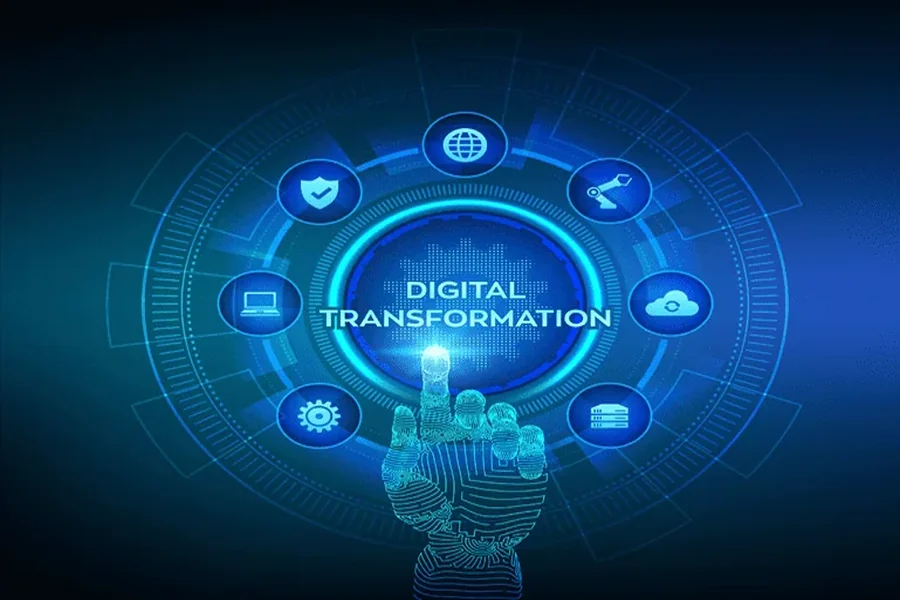
Businesses across every industry are adapting to a rapidly changing digital environment. New technologies are changing how companies operate, communicate with customers, manage information, and compete in the market. A Digital Transformation Strategies Guide can help organizations understand how to use technology more effectively while building a practical plan for long-term growth.
Digital transformation is not simply about buying new software or replacing old equipment. It involves changing the way a business works by combining technology, people, processes, and business goals. Companies may use cloud computing, artificial intelligence, automation, data analytics, mobile platforms, and digital customer services to improve performance and create better experiences.
A successful transformation requires careful planning. Businesses need to understand their current challenges, identify areas for improvement, and choose technology that supports their objectives. Without a clear strategy, digital projects can become expensive and difficult to manage. With the right approach, however, technology can help businesses become more efficient, flexible, and competitive.
Start With Clear Business Goals
The first step in any digital transformation project is understanding what the business wants to achieve. Technology should support business goals rather than being adopted simply because it is new or popular.
A company may want to reduce operating costs, improve customer service, increase sales, speed up internal processes, or improve access to business information. These goals provide a foundation for deciding which technologies and systems are most suitable.
For example, a business that struggles with slow customer responses may benefit from customer relationship management software or automated support tools. A company with inefficient manual processes may focus on workflow automation. An organization that has difficulty managing data may need better analytics and cloud-based systems.
Clear goals also make it easier to measure success. Businesses can establish key performance indicators related to productivity, revenue, customer satisfaction, operating costs, or employee efficiency. These measurements can show whether a digital project is delivering meaningful results.
Starting with business needs helps prevent unnecessary spending. Instead of adopting every new technology, organizations can focus on solutions that provide practical value.
Build a Strong Digital Foundation
A reliable technology foundation is essential for successful transformation. Businesses should review their existing systems and identify weaknesses before introducing new tools.
Many organizations still depend on outdated software, disconnected databases, or manual processes. These systems can make it difficult for employees to access information and collaborate effectively. A digital transformation plan should address these issues gradually.
Cloud computing has become an important part of modern business infrastructure. Cloud platforms can provide flexible access to software, data storage, and computing resources. They may also make it easier for employees to work remotely and collaborate across different locations.
Data management is another important part of the foundation. Businesses need accurate and organized information to make better decisions. Data should be stored securely and made accessible to authorized employees who need it.
Cybersecurity must also be considered from the beginning. As businesses become more digitally connected, they may face greater risks related to data theft, phishing, malware, and unauthorized access. Strong passwords, access controls, encryption, employee training, and regular system updates can help protect digital assets.
Use Data and Artificial Intelligence Wisely
Data has become one of the most valuable resources for modern businesses. Companies collect information from customers, websites, applications, sales systems, and other digital platforms. When analyzed properly, this information can support better decision-making.
Data analytics can help businesses identify customer preferences, understand market trends, monitor performance, and find areas for improvement. Instead of relying only on assumptions, business leaders can use information to make more informed decisions.
Artificial intelligence is also becoming an important part of digital transformation. AI tools can support customer service, content creation, data analysis, forecasting, and automation. Businesses can use intelligent systems to reduce repetitive work and provide faster services.
However, organizations should adopt AI carefully. The quality of the results often depends on the quality of the data being used. Businesses also need to consider privacy, accuracy, security, and human oversight.
The best approach is often to start with practical use cases. A company might begin by using AI to automate simple tasks or analyze customer questions. Once employees gain experience and the benefits become clear, the organization can gradually expand its use of intelligent technology.
Focus on Customer Experience
Customer expectations are changing as people become more familiar with fast and convenient digital services. Businesses need to provide simple and consistent experiences across websites, mobile applications, social platforms, email, and other communication channels.
A strong digital transformation strategy should focus on the customer journey. Businesses can examine how customers discover products, make purchases, request support, and provide feedback. Each step can reveal opportunities for improvement.
Digital tools can make customer interactions faster and more personalized. Businesses may use customer data to provide relevant recommendations or offer support through online chat and automated systems.
Mobile access is also important. Many customers interact with businesses through smartphones. Websites and applications should be easy to use on smaller screens and should provide a smooth experience.
Personalization can also improve customer relationships. Businesses can use information responsibly to understand customer needs and provide more relevant services. However, privacy must remain a priority. Customers should feel that their information is being handled transparently and securely.
Prepare Employees for Digital Change
Technology alone cannot transform a business. Employees play a central role in adopting new systems and changing existing processes. For this reason, workforce preparation should be an important part of any transformation strategy.
Employees may resist new technology if they do not understand why it is being introduced or how it will affect their work. Clear communication can help reduce uncertainty and build support.
Training is also essential. Employees need practical guidance on how to use new software, tools, and processes. Training should be ongoing because technology continues to change.
Businesses should also encourage a culture of learning. Employees who feel comfortable developing new skills may adapt more easily to digital changes.
Leadership is equally important. Managers should support innovation while also listening to employee concerns. A successful transformation is more likely when employees understand the benefits and feel involved in the process.
Some organizations may also need to hire people with new technical skills. Data analysts, cybersecurity professionals, software specialists, and digital project managers can help businesses manage increasingly complex technology environments.
Measure Progress and Improve Continuously
Digital transformation is not a one-time project. Technology, customer expectations, and market conditions continue to change. Businesses need to regularly evaluate their progress and adjust their strategies.
Performance measurements can help organizations understand whether digital investments are creating value. Businesses may monitor productivity, customer satisfaction, conversion rates, system usage, operating costs, and other relevant metrics.
Feedback from employees and customers is also valuable. Employees may identify problems with new systems while customers can provide insight into digital experiences.
Businesses should be prepared to improve their systems over time. A technology project may not deliver perfect results immediately. Testing, learning, and making adjustments can lead to better long-term outcomes.
A flexible approach is especially important for smaller businesses. Organizations do not need to transform everything at once. They can begin with one department or process and expand gradually as they gain experience.
Final Thought
A successful digital transformation requires more than adopting the latest technology. Businesses need clear goals, reliable infrastructure, strong cybersecurity, skilled employees, useful data, and a focus on customer needs. When these elements work together, technology can support meaningful improvements across an organization.
The most effective strategy is usually practical and focused. Businesses should identify their biggest challenges, choose solutions that address those problems, and measure the results over time. Employees should be supported through training while customers should benefit from simpler and more valuable digital experiences.
As technology continues to evolve, businesses that remain adaptable will be better prepared for future changes. A thoughtful approach to digital transformation can improve efficiency, strengthen customer relationships, support innovation, and create a stronger foundation for long-term success.
FAQs
What is digital transformation?
Digital transformation is the process of using digital technologies to improve business operations, customer experiences, decision-making, and overall performance.
Why is a digital transformation strategy important?
A clear strategy helps businesses choose suitable technologies, reduce unnecessary costs, manage change, and connect digital investments with important business goals.
What technologies support digital transformation?
Cloud computing, artificial intelligence, automation, data analytics, cybersecurity tools, mobile platforms, and digital collaboration systems can all support transformation.
How can businesses start digital transformation?
Businesses can begin by identifying their biggest challenges, setting clear goals, reviewing existing systems, and selecting practical technology solutions that address specific needs.
Why are employees important in digital transformation?
Employees use new systems and processes every day, so their training, support, and involvement are essential for successful technology adoption.
How does digital transformation improve customer experience?
Digital transformation can make services faster, more convenient, personalized, accessible, and consistent across different communication and sales channels.
Is digital transformation only for large companies?
No, businesses of all sizes can benefit from digital transformation. Smaller companies can begin with affordable tools and gradually expand their digital capabilities as they grow.